Atlanta short sales: what homeowners and buyers need to know.
A short sale happens when a seller's lender agrees to accept a discounted payoff to release the existing mortgage, so the home sells for less than the amount owed. If you owe more than your house is worth, or you're a buyer considering a short-sale purchase, this guide covers who qualifies, how lender approval actually works, and what to expect at every step.
With over 20 years in Metro Atlanta real estate and more than 500 homes sold, I've negotiated my share of lender-approved sales. The goal here is simple: give you a clear, honest picture of how short sales work before you make a decision.
What is a short
sale, exactly?
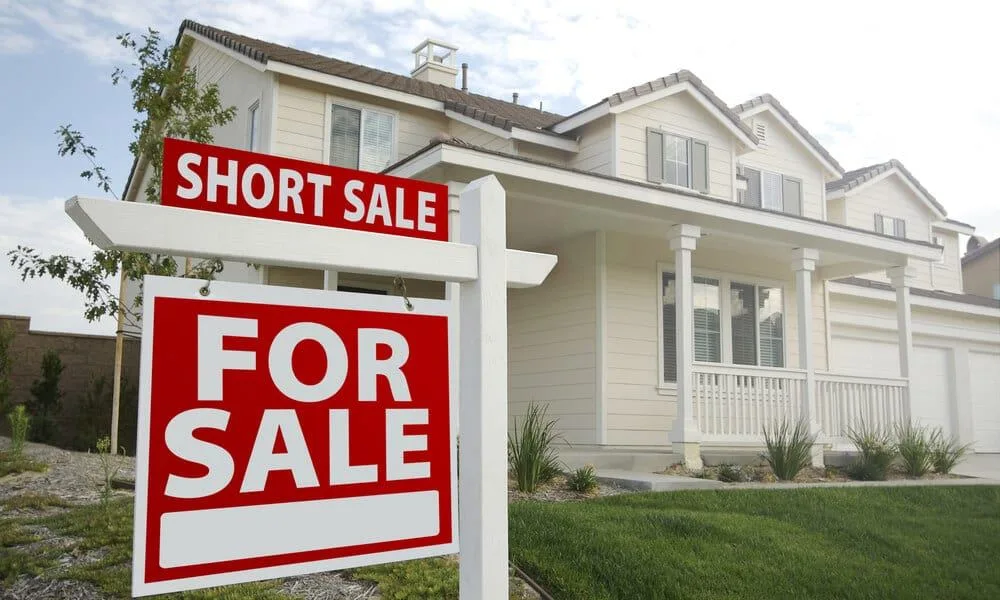
A short sale is a sale that nets less than the balance owed on the mortgage. The seller's lender agrees to accept a discounted payoff and releases the existing lien so the title can transfer to a new buyer. The home sells for less than the amount owed, and the lender absorbs the shortfall.
That makes it a three-party negotiation: the seller, the buyer, and the lender. The lender holds the final say, because it is the party accepting less than it is owed. It's not the same as a foreclosure, where the lender has already started taking the property, and it's not a regular sale, where the seller alone controls the price and terms.
Less than owed
The accepted offer is below the remaining mortgage balance. That shortfall is the "short" in short sale, and it's why the lender has to approve the deal.
Discounted payoff
The lender agrees to accept less than the full balance to release the mortgage and let the home sell. The debt is settled through the sale instead of through foreclosure.
Three parties
The seller, the buyer, and the lender all have a seat at the table. Everyone has to agree before the sale closes, and the lender's approval is the one that's hardest to earn.
You don't have to
be in default.
Here's the part most people get wrong: a homeowner does not have to be in default to pursue a short sale. A lender may consider one when payments are current but the value has fallen, and the discounted payoff can simply bring the price in line with market value rather than below it. Delinquency is common, but it is not a requirement.
And more owners are weighing this than a year ago. Mortgage delinquencies have been climbing for more than a year, while rising insurance premiums, property taxes, and payment resets are leaving owners with little equity. When the monthly math tightens from every direction, a lender-approved sale can be the sensible exit even for an owner who has never missed a payment.
Current on payments
You can be current on your mortgage and still pursue a short sale. When a home's value has fallen below the balance owed, the lender may approve a discounted payoff that brings the price in line with the market. Being current can actually make the file cleaner.
Behind on payments
Missed payments are the most common reason owners start the conversation, but you don't have to wait until you fall behind. Reaching out early, while you still have time and options, gives you far more control over the outcome.
Squeezed by costs
Rising insurance premiums, higher property taxes, and payment resets are leaving many owners with little equity even when they never missed a payment. When carrying the house no longer works financially, selling for less than the balance can be the smart move.
You don't have a deal until
the lender accepts.
Seller acceptance is not enough. The buyer and seller can agree on a price and sign a contract, and the deal still isn't done until the seller's lender approves the discounted payoff. Lender approval is the real gate. Every short-sale strategy has to be built around that reality, which is why the right negotiation matters so much.
Two liens change the math
Many homes carry more than one mortgage. When there's a first and a second lien, the first lender often has to give something to the second to gain its cooperation, because a buyer offer that already shorts the first lien leaves nothing for the second. Untangling that is a negotiation between lenders, and it's one of the biggest reasons this corner of real estate rewards experience.
Short sale versus
foreclosure.
If the numbers say you owe more than the home is worth, the two paths most owners weigh are a short sale and a foreclosure. They are very different experiences, and knowing the difference matters.
Short sale
- Generally less credit damage than a foreclosure, and many owners recover and buy again sooner.
- You stay in control of the timeline instead of the lender running it, and you choose the buyer.
- The home sells to a real buyer at market value, not at a courthouse auction.
Foreclosure
- The lender runs the timeline and the process, and the home is sold at auction on the courthouse steps.
- Credit impact is typically deeper and recovery usually takes longer.
- You lose the ability to choose the buyer or steer the price.
For context, this is a growing conversation nationally. Short sales rose roughly 16% year over year in Q1 2026, while foreclosure filings jumped more than 20% in the first half of 2026. Directional as those numbers are, they point to more homeowners weighing a lender-approved sale this year, and the earlier you understand your options, the more control you keep.
Buying a short sale:
what to expect.
A short-sale property is purchased as is. The seller's lender generally will not pay buyer credits, home protection plans, or pest and termite inspections, so a professional home inspection before closing matters more here than almost anywhere else. What you find is what you're buying.
Come preapproved or with proof of funds
A ready buyer is the strongest offer a short-sale file can have, because the lender is already nervous about the price. Include your preapproval letter or proof of funds with your offer.
Put down earnest money
Earnest money signals that your offer is serious, and it carries weight when the lender reviews competing interest in the file.
Add a contingency for lender acceptance
Your contract should protect you if the lender does not approve the sale. A lender-acceptance contingency keeps your earnest money and your time safe while the file is under review.
Plan for your own inspection and closing costs
Because the lender generally won't cover buyer credits, home protection plans, or pest and termite inspections, budget for them yourself. A thorough inspection before closing is the best money you'll spend.

How Tommy helps
with short sales.
Experienced negotiation with the lender
I package the file so the lender sees a complete, realistic request, and I keep the negotiation moving instead of letting it stall in review. Over 20 years of selling homes across Metro Atlanta means I've seen the process from every side of the table.
An honest read on whether you qualify
Before we commit to a path, I'll tell you plainly whether a short sale makes sense for your situation, or whether another option gets you to a better outcome. No false hope, no pressure, just a straight answer.
No judgment, just options
Whatever brought you here, I'm not here to judge. I'll lay out your options clearly, answer every question, and help you choose the smartest one for your family and your future.
Let's talk confidentially and without pressure. I'm available. I'm ready when you are.
Questions homeowners
and buyers ask most.
Is a short sale better than foreclosure?
For most homeowners, yes. A short sale typically damages your credit less than a foreclosure, and you keep more control over the sale, the timing, and the buyer. A foreclosure puts the timeline in the lender's hands and ends at a courthouse auction. I'll help you compare the specifics for your situation so you can make the call with your eyes open.
Do I have to be in default to do a short sale?
No. You do not have to be behind on payments to pursue a short sale. Lenders may approve one when the home is worth less than the balance owed even if payments are current, and the discounted payoff can simply bring the price in line with market value rather than below it. Delinquency is common, but it is not a requirement.
How long does lender approval take today?
It varies by lender, by servicer workload, and above all by how complete the file is. A well-packaged request with current financials, a realistic price, and a ready buyer can move in a few weeks, while a partial file can stretch much longer. My job is to keep the process moving and hold the lender accountable instead of letting the request sit.
Does a short sale ruin my credit?
It can affect your credit, and the actual impact depends on how your lender reports the account. In general, a short sale is less damaging than a foreclosure, and many homeowners recover and buy again sooner after one. Your lender's reporting and your other credit factors determine the real number, so it's worth a conversation before you decide.
Can I buy a short sale with a mortgage?
Yes. You can finance a short-sale purchase with a conventional, FHA, or VA loan. The catch is timing: the lender must approve the sale, and mortgage underwriting has to line up with the lender's review. Being fully preapproved before you make the offer keeps the file moving and makes your offer stronger.
Will the seller's lender pay my closing costs?
Generally not. In most short sales the lender will not pay buyer credits, home protection plans, or pest and termite inspections, so budget for your own closing costs and inspections. A complete, realistic offer with a ready buyer is the strongest lever you have in this kind of purchase.
Not sure if a short sale
is your best move?
Let's talk it through.
Whether you're a homeowner weighing a lender-approved sale or a buyer looking at a short-sale property, a clear conversation beats guessing. I'll give you an honest read and a practical next step.
Thank you for reaching out. I'll review your message and get back to you shortly.
I'll be in touch
Back to HomePlease try again or call me directly. I'm ready when you are.