The First-Time Home Buyer Guide for Metro Atlanta
Everything you need to know before you buy your first home in Atlanta: why this market works for first-time buyers, the buying process from pre-approval to the closing walkthrough, down payment options, and the smart questions to ask along the way. Written in plain language by Tommy Williams, a Metro Atlanta agent with over 20 years in this market and more than 500 homes sold.

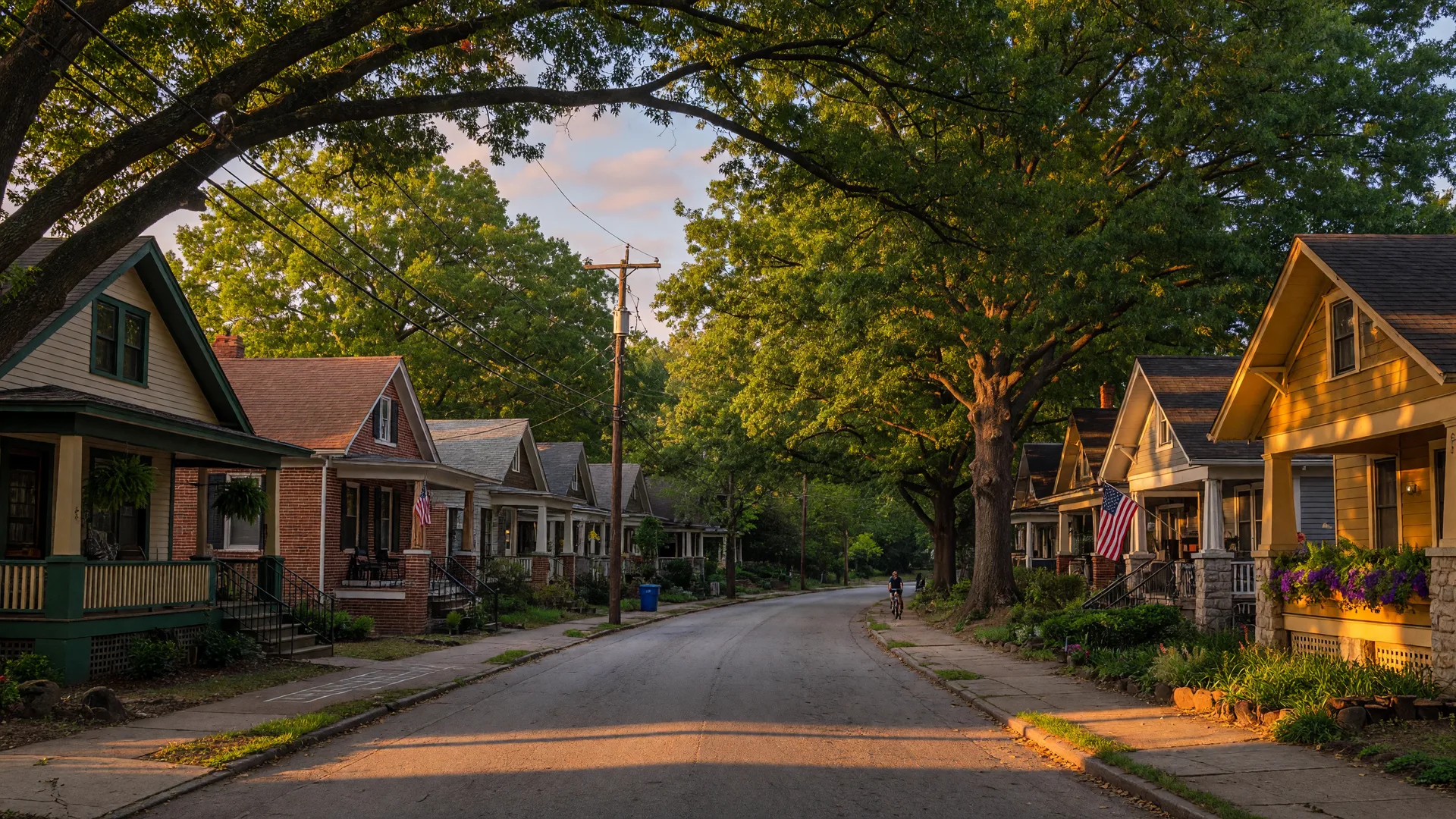
Buying your first home is a big decision, and most of that bigness comes from the unknown, not from the math. This guide exists to remove the unknown. I am Tommy Williams, a licensed Georgia agent at Bailey Heritage Homes, and I have spent over 20 years and more than 500 transactions working with Metro Atlanta buyers and sellers, including plenty of first-time buyers. Read this whole page once, and you will know why Atlanta works for first-timers, how the process actually runs, and the questions worth asking before you sign anything.
In this guide
Why Metro Atlanta Works for First-Time Buyers
Metro Atlanta is one of the few big metros where a first-time buyer can still choose between a walkable intown neighborhood with a front porch and a quiet first-ring suburb with a fenced yard, often within the same general price conversation. That variety is the market's real strength. You are not locked into one kind of life here. You get to pick the one that fits.
Walkable intown neighborhoods with real character
Atlanta's intown neighborhoods are where the city's personality lives. Places like Old Fourth Ward, Inman Park, Reynoldstown, Grant Park, Ormewood Park, Cabbagetown, Little Five Points, and East Atlanta Village each have their own identity, their own shopfronts, and their own block of restaurants and coffee spots within walking distance of front doors. Homes range from historic bungalows and brick cottages to newer townhomes built into the neighborhood fabric. For a first-time buyer, the appeal is simple: you can buy into an established neighborhood rather than betting on a brand-new one, and you already know what the block looks like at 8 a.m. and 8 p.m.
The Beltline at your doorstep
The Atlanta Beltline has reshaped how the city thinks about its neighborhoods. The multi-use trail loops through the heart of the city, linking parks, retail, and dozens of neighborhoods, and homes near it consistently draw interest from buyers of all ages. For a first-time buyer, Beltline-adjacent living means weekend walks and bike rides without loading up the car. Even if you are not a daily user, proximity to the trail is something future buyers will weigh when your home eventually comes back on the market. It is worth asking a listing agent for the exact walking distance from the front door to the nearest trail entrance.
Read my Beltline neighborhood guide
Parks and green space woven through the city
Atlanta is a remarkably green city, and your first home can be too. Piedmont Park anchors Midtown. Grant Park surrounds the Atlanta Zoo. Historic Fourth Ward Park sits steps from the Beltline. From Candler Park to Perkerson Park and down to the trails along the Southside, there are leafy places to run, walk the dog, and stretch out with a book all over the metro. Neighborhood proximity to a good park is one of the easiest quality-of-life wins a first-time buyer can lock in.
Transit access that actually matters
Several intown neighborhoods sit near MARTA rail stations, which matters more than most first-time buyers realize. A station within walking distance gives you a dependable way to reach Midtown, Downtown, the airport, and many job centers without touching I-285 traffic. Same with a sensible commute: thirty minutes in the wrong direction on paper can be an hour and a half in a car. When we look at homes, I always ask where you actually need to be on a normal Tuesday, then we check the drive and the rail options before you fall for the house.
Resale appeal in established neighborhoods
Here is the truth about first homes: most people do not live in them forever. Established neighborhoods with mature trees, sidewalks, known schools, and an existing community tend to hold their appeal through different markets, and that matters when the day comes to sell your starter home and move up. Buying into a neighborhood that people keep wanting to move to is the closest thing to a built-in exit strategy a first-time buyer has. For a deeper look at where first-timers are landing this year, see my guide to the best first-time buyer neighborhoods in 2026 and where starter homes are across the metro.
Affordable intown neighborhoods, neighborhood by neighborhood
The Buying Process, Step by Step
There are seven steps between "I want to buy" and "I have the keys," and none of them are as complicated as they sound when you go through them one at a time. Here is the honest sequence, in the order it actually happens.
Get pre-approved first, before you look at anything
Pre-approval is a lender's written statement of how much they are willing to lend you, based on your actual income, credit, and debts. It is different from pre-qualification, which is often just a quick estimate. A pre-approval letter tells you your real number, and it tells sellers you are serious. In any neighborhood where homes get multiple offers, an offer without a pre-approval letter rarely gets a second look. Work with a local lender who understands Georgia; when something comes up mid-transaction, you want someone you can actually reach by phone.
Set a realistic budget, payment and all
Your monthly payment is more than principal and interest. Add property taxes, homeowners insurance, HOA fees where they apply, and an honest allowance for upkeep. Across Metro Atlanta, prices vary sharply by neighborhood, property type, and condition: intown condos and townhomes, starter houses in first-ring suburbs, and move-up homes in established communities all occupy different ranges, and those ranges move from month to month. My typical buyer works in a range from roughly $400,000 to $1,000,000, but where you land depends entirely on your situation. The specifics change, so do not anchor to a number you read months ago. Reach out and I will give you the current, neighborhood-by-neighborhood picture for your budget.
For a deeper dive into what the numbers mean, read how much house you can afford in Atlanta and the hidden costs of buying in Georgia. I keep a running list of the most affordable ZIP codes across Metro Atlanta, check it here.
Understand your down payment options
The old "20% or nothing" story is simply not how most first-time buyers actually buy. Conventional loans offer low-down-payment paths, often with a down payment in the low single digits for qualified buyers. FHA-style programs are designed for first-timers, with a smaller down payment and more flexibility on credit. If you are a veteran or active-duty military, VA loans can mean zero down, and USDA options exist for qualifying rural and suburban areas. On top of all that, qualified Metro Atlanta buyers may be eligible for special 100% financing programs, and Georgia offers down payment assistance programs for first-time buyers that can make the math work months sooner than you expect. I keep a short list of lenders who genuinely know these programs, and I am happy to make introductions.
Make a strong, protected offer
An offer is more than a price. It includes earnest money (your good-faith deposit, held in escrow), the proposed closing date, and contingencies: the financing contingency, the inspection contingency, and the appraisal contingency each protect you if something goes wrong. In Georgia, the purchase agreement is a state-specific contract, and small details in it matter. In a competitive neighborhood, price only gets you into the conversation; terms and timing can close it. My job is to structure an offer that is attractive to the seller without giving away your protections.
Home inspection: knowledge, not panic
After your offer is accepted, a professional inspector goes through the home: structure, roof, electrical, plumbing, HVAC, water heater, and visible signs of water or pest issues. In Georgia, inspectors routinely flag settling and drainage issues tied to the red clay, and aging HVAC systems are common. The report will be long, and most of it will be normal. The point is to know what you are buying, then ask the seller to repair what matters, offer a credit, or adjust the price. Some findings are deal-breakers, most are not. A good agent helps you tell the difference without killing the deal. See my Georgia home inspection checklist for what inspectors actually look for.
Appraisal: the lender's independent check
Your lender orders an independent appraisal to confirm the home is worth what you have agreed to pay. The appraiser compares the home against recent sales of similar properties nearby. Most of the time, the appraisal comes in where it needs to be. When it comes in below the contract price, there are options: negotiate the price down, bring additional cash to the table, split the difference, or, with an appraisal contingency, walk away with your earnest money. Because it is common enough to matter, we study the comparable sales before you ever make the offer, so there are no surprises at this step.
The closing walkthrough, then the keys
In the day or two before closing, you walk through the home one last time. Verify the condition matches the contract, that negotiated repairs were actually completed, and that the seller has moved out. If something is wrong, speak up before you sign. Then comes closing day itself: Georgia closings are handled by an attorney, you sign a stack of documents, the deed is recorded, and the keys are yours. It is a lot of paper, and you should understand every sheet of it. I sit at that table with you so nothing moves past you unnoticed.
For the full eleventh-and-twelfth-hour details, including underwriting, rate locks, and what happens after closing, see the complete homebuying process, explained step by step.
Zero-Down and Low-Down-Payment Options for Atlanta Buyers
Here is the first thing I tell every first-time buyer who asks about saving up 20%: in more than 20 years and more than 500 home sales across Metro Atlanta, I have watched plenty of buyers close with far less than 20% down, and some with nothing down at all. The right path depends on who you are, where the home sits, and how your income looks on paper. Here is the honest landscape, in plain terms and in general terms only, because the program that fits your neighbor may not be the one that fits you.
VA loans: zero down for those who served
If you are a veteran, active-duty service member, National Guard or Reserve member, or an eligible surviving spouse, the VA loan is about the most powerful financing tool a buyer can carry. It offers 100% financing with no down payment and no private mortgage insurance, and it is built to be reused. Georgia has a deep military community, and I have closed VA purchases from intown condos to suburban family homes. Eligibility starts with your Certificate of Eligibility, and the rest is a lender conversation. My military and veterans guide walks through the basics.
USDA loans: zero down in qualifying areas
USDA Rural Development loans offer 100% financing in eligible areas, which makes them the other true zero-down option for qualified buyers. Two things drive eligibility: the property has to sit in an area the program covers, and your household income has to fall within its limits. More of the metro's growing outer suburbs and surrounding counties qualify than most people assume, so it is worth having your lender check the address before you rule it out.
Conventional and FHA-style loans: low down, low single digits
For everyone else, the door is wider than the old 20% story suggests. Conventional loans have low-down-payment options, often in the low single digits for qualified buyers, and FHA-style programs are built for first-timers with a smaller down payment and more flexibility on credit. A general rule worth knowing: when you put less than 20% down, some form of mortgage insurance is usually part of the monthly math, and it often drops off once you build meaningful equity. Exact numbers change, so let your lender quote your situation rather than anchoring to anything you read here.
100% financing and down payment assistance programs
On top of all that, some qualified Metro Atlanta buyers can access special 100% financing programs that can cover the full purchase price, and Georgia has down payment assistance programs designed to move the math forward by months, not years. These programs have real eligibility requirements, so treat them as a conversation to have with a knowledgeable lender, not a promise.
If you are self-employed or run a business
A huge share of my Metro Atlanta buyers are self-employed: contractors, restaurant owners, consultants, salon owners, franchisees, and side-entrepreneurs who turned a skill into a business. Your income is real. It just shows up on paper differently than a W-2, and a lender simply needs to see it clearly and consistently. That is entirely doable, and the buyers who do it well share a few habits.
One thing worth knowing up front: SBA-backed financing is for business purposes, like buying or renovating the commercial space your company operates from. It is not a program for buying your personal residence. For the home itself, you will use a conventional, FHA-style, VA, or USDA mortgage, and your job is to present your business income in the clearest possible way. If you are looking at a property your business will actually occupy, that is a different, more complex conversation entirely, and one to have with your lender, your CPA, and your attorney.
Here is how self-employed and business-owner buyers strengthen their application in the months before they apply:
- Keep business and personal money in separate accounts, and avoid mixing the two in the months before you apply.
- Have two full years of tax returns ready, plus a CPA or tax preparer who can speak to your income and explain any year that looks unusual.
- Prepare a year-to-date profit and loss statement and 12 to 24 months of business bank statements; most lenders want to see both.
- Keep your business paperwork current: registration, licenses, contracts, and invoices tell the continuity story lenders look for.
- Avoid big, hard-to-document deposits or withdrawals in your accounts right before you apply.
- Ask lenders specifically about programs built for self-employed borrowers, including options that underwrite from bank statements rather than tax returns alone.
- Keep your credit clean and avoid opening new credit lines before you apply; lenders weigh how much of your income is already committed to payments.
None of this is a guarantee, and I will not quote rates or make promises no lender can make until they have your full picture. What clean records do is let a good lender present your strongest possible file, and in a market like Atlanta that can be the difference between a quick yes and a long maybe.
Which program fits your situation is a conversation, not a guessing game. Program availability, eligibility rules, and your numbers all change, so the right move is to sit down with a lender who knows Metro Atlanta and underwrites self-employed income regularly. I keep a short list of lenders I trust for exactly this, and I am glad to make introductions. Start the conversation with me, and we will get you to the right desk.
Smart Questions to Ask Before Buying in Metro Atlanta
Before you make an offer, do not just ask what you love about the home. Ask what it costs to call it yours, day to day, month to month, and years from now. These are the questions I walk every first-time buyer through, in every neighborhood:
What are the HOA and association fees, and what do they actually cover?
In condos, townhomes, and many newer single-family communities, an HOA or condo association owns the common ground: roofs, exteriors, landscaping, amenities, and reserves for future repairs. Ask for the exact monthly fee, what it covers, whether it has risen recently, and whether the association has healthy reserves. A low fee is not automatically a win, and neither is a high one. You are buying into how that community is run, so read the rules too: parking, rentals, pets, and what you can change about your unit all live in the declaration.
Where am I going to park, every single day?
Intown charm often comes with street parking, and street parking comes with reality: garage days, game days, and the neighbor with the work truck. Ask about the driveway, the garage, assigned spots, and visitor parking, then drive the block at 7 p.m. on a Wednesday and 6 p.m. on a Saturday. If the home has no dedicated parking, know exactly what you are signing up for before you sign.
How easy will this home be to sell later?
First-time buyers rarely think about the exit, but the exit is where your next move starts. Ask whether the home has broad appeal: a sensible layout, enough bedrooms, a school zone people seek out, a commute that works. In Atlanta, intown buyers often want walkability, and suburban buyers often want yards and schools. Buy something that a wide pool of future buyers will also want, and your equity and your sanity both thank you later.
How walkable is this neighborhood, really?
Walkability is not a rating, it is a route. Look at the actual distance from the front door to the nearest grocery store, coffee shop, park, and transit stop, and walk it once. Check for sidewalks and crosswalks on the way. Ask neighbors which direction they walk. A neighborhood can look walkable on a map and feel like a highway shoulder in person, so test the route with your own feet and your own dog before you commit.
What does nearby development mean for this address?
Cities change, and Atlanta is changing fast. Ask what is planned or already under construction within a reasonable radius: new apartments, retail, roads, a data center, or a transit project. Development can add amenities and demand, or it can add traffic and noise for a few years. The honest answer is that some of it is good and some of it is just different, but you should know what is coming before you pick the house, not after. Zoning records and public notices tell most of the story, and I can help you read them.
Why a Local Agent Matters, Especially the First Time
You can find a listing on any portal. What a portal cannot do is tell you that this block floods when it rains hard, that the school zone changed last year, that the seller priced high to leave room for a counter, or that the condo association's special assessment passed two months ago. That knowledge lives locally, in the people who have worked the market for years.
In Georgia specifically, the purchase agreement is a state-specific legal contract, closings go through attorneys, and the details of contingencies, earnest money, and dates live in that paperwork. Miss one date in Georgia and you can be in real trouble, fast. A local buyer's agent is usually compensated from the seller's side of the transaction, which means you get representation, local knowledge, and someone watching the calendar, typically without a direct fee to you.
A good agent also sees the homes that are not on the portals: coming-soon listings, off-market opportunities, and homes in the hundreds of private sales that never make the news. That is real inventory, and first-time buyers rarely know it exists. Learn more about how off-market and pocket listings work.
Tommy's Process for First-Time Buyers
Here is exactly what you get when we work together, in three promises I have kept for over 20 years:
Plain language. Always.
Real estate runs on acronyms, and acronyms are a form of exclusion. Every term, every form, every contingency gets explained until it makes sense to you, not until you nod to make me stop. If you do not understand what you are signing, we are not done yet.
Steady follow-through, through any hiccup.
Deals hiccup. Lowball offers, financing that stumbles, inspection findings, timelines that slip. The clients who value me most tell me it is the follow-through that carries a transaction through the rough patch to a satisfactory closing. I answer, I show up, and I keep every deadline moving. You will never wonder where your deal stands because I will tell you before you ask.
No pressure, ever.
Buying a home is a life decision, and life decisions should not be rushed by an agent's commission timeline. I give you the honest read on the home, the neighborhood, and the numbers, and then I let you decide. I'm available. I'm ready when you are. Some of my buyers take a weekend, and some take a year, and both are fine with me.
If this is your first purchase, start with my first-time buyer hub, which covers credit, pre-approval, budget, and tours. Then come find me. This is the part I genuinely enjoy most.
Quick Answers to Common First-Time Buyer Questions
How much do I need for a down payment on my first home in Atlanta?
It depends on the loan program and your situation. Conventional loans have low-down-payment options, FHA-style programs require less and are designed for first-timers, VA and USDA loans can mean zero down for qualified borrowers, and some qualified Metro Atlanta buyers can access special 100% financing programs. Georgia also has down payment assistance for first-time buyers. The right answer for you comes from a pre-approval conversation, not a rule of thumb, and I can connect you with lenders who know these programs.
Should I get pre-approved before I start looking at homes?
Yes. Pre-approval gives you your real budget, prevents the heartbreak of falling for a home you cannot buy, and makes your offer legitimate in any multiple-offer situation. In competitive Atlanta neighborhoods, an offer without a pre-approval letter is often passed over entirely.
Is a condo, townhome, or house the right first home for me?
It depends on your lifestyle and budget. Condos and townhomes often offer lower entry points, locked-in maintenance, and great intown locations, while single-family houses give you a yard, more control, and stronger resale breadth. We look at all three with your real numbers and your real week, then let the market show you which fits.
How long does the buying process actually take?
The search can take a weekend or months, depending on how picky you are and how the market is moving. Once an offer is accepted, a conventional purchase typically closes in about a month to six weeks, with inspections, appraisal, and underwriting happening in that window. I keep the calendar moving so you are not waiting on anyone's file.
Do I really need a buyer's agent when the listing is already online?
The listing is the easy part. The contract, the contingencies, the inspection negotiation, the dates, the Georgia closing process, and the off-market inventory are the part where an experienced local agent earns their keep. In most Georgia transactions the buyer's agent is compensated from the seller's side, so representation typically costs you nothing directly and protects you throughout.
Ready When You Are
Tommy Williams
Bailey Heritage Homes · Georgia License #287291
6000 Stewart Pkwy #6636, Douglasville, GA 30154
Serving Atlanta and all of Metro Atlanta. Over 20 years in the market, more than 500 homes sold, and a process built on plain language, steady follow-through, and no pressure. I'll be in touch.
Online: tomwillsellga.com · Email: tomwillsell@tomwillsellatlanta.com
Tell me where you are in the process
Whether you are six months out or ready to tour this weekend, send a note and I will come back with a straight answer and a clear next step. No pressure, no jargon, no obligation.
Thank you for reaching out. I'll review your message and get back to you shortly.
I'll be in touch
Back to HomePlease try again or call me directly. I'm ready when you are.
Related guides: Atlanta Home Buying Guide · First-Time Buyer Hub · Blog
Have Questions? I'm Here to Help.
Buying your first home should feel exciting, and it can, once someone translates the process for you. I have guided hundreds of first-time buyers through this exact journey, and I would be glad to do the same for you. I'm available. I'm ready when you are.