Is Airbnb Still Profitable in Atlanta in 2026?

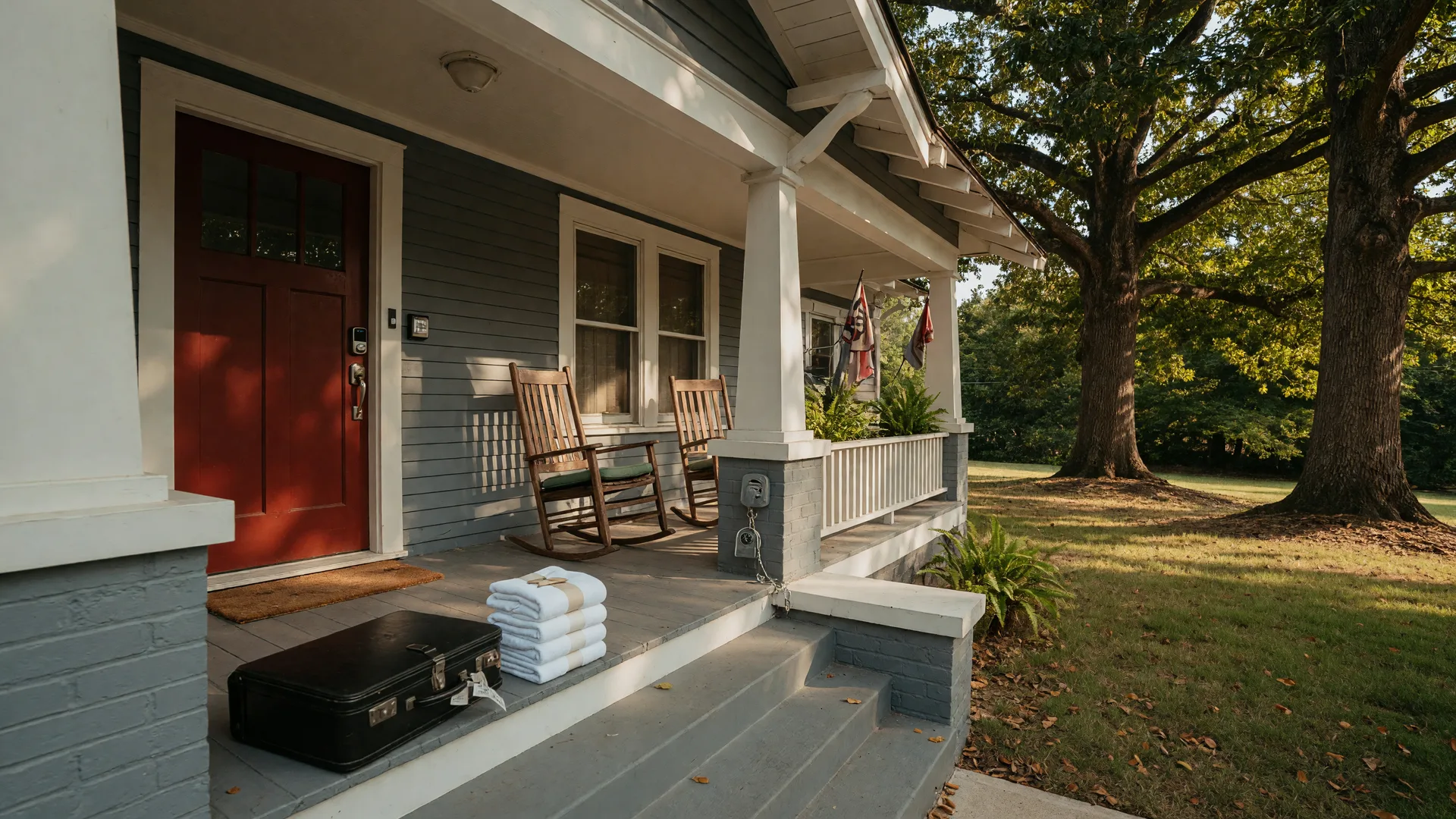
Is Airbnb still profitable in Atlanta in 2026? The short answer is yes, but only for the right property in the right neighborhood, run by someone who knows the rules. That is the question I hear from more investors than almost any other these days, and it deserves a straight answer built on actual market data, not hype. Here is what the 2026 numbers show, which Atlanta neighborhoods still cash flow, the city regulations that trip up out-of-town investors, and how to underwrite a short-term rental like a professional.
Is Airbnb Still Profitable in Atlanta in 2026? What the Numbers Show
Atlanta ranks as one of the strongest Airbnb markets in Georgia, and by some trackers the most profitable one in the state. But the market has matured fast, and the headline numbers deserve context. AirDNA's August 2026 data counted about 17,064 active short-term rental listings across Atlanta, up 4.5% from a year earlier, with average annual revenue around $16.8K, a 47% occupancy rate, and an average daily rate near $214. Other public trackers run higher: one January 2026 report put median revenue closer to $36K a year at 56% occupancy, and a fourth source reported supply growing about 71% year over year.
Read those numbers together and you get the honest picture: revenue is real and generally rising, but supply is growing faster than demand in some pockets, so occupancy has flattened. The investors who still win are not betting on a rising tide. They are buying properties that outperform the metro average on location and guest experience, then managing costs tightly. That has always mattered, and in 2026 it decides the deal.
Which Atlanta neighborhoods still cash flow for short-term rentals
Location is the single biggest driver of short-term rental revenue in Atlanta, and the data is consistent about where the money is. Intown neighborhoods with walkability, restaurants, and events pull the strongest nightly rates and occupancy. RentStellar's 2026 estimates put Buckhead properties at roughly $50K to $84K a year, Midtown $48K to $72K, Old Fourth Ward and Inman Park $42K to $66K each, Virginia-Highland $40K to $62K, West Midtown $38K to $60K, and Grant Park $36K to $54K.
What those ranges tell you is that a short-term rental is a neighborhood business first. A renovated bungalow steps from the BeltLine in Old Fourth Ward serves a different traveler than a condo near Buckhead's restaurants, and both can work. Compare that against the traditional long-term rental math in my best Atlanta investment neighborhoods guide, and you will see why I push investors to pick the neighborhood before they pick the property. My Atlanta Investor Index tracks rent-to-price and days on market across the metro, and I check it before any conversation about guest stays versus annual leases.
The Atlanta short-term rental rules every investor must know
Atlanta is not an unregulated market, and the rules are the part that gets investors in trouble. Under the city's ordinance, a short-term rental is a rental of less than 30 consecutive days, and running one requires a Short-Term Rental License, or STRL, even if it is your own primary residence. The license costs $150 per year per property, is renewed annually, and is applied for online. Your license number must appear in your listing and be posted inside the unit, neighbors near the property must be notified, and you have to keep a local contact available.
Here is the part that surprises most out-of-town buyers: Atlanta caps each host at two permits, and one of those two properties must be the host's primary residence. That means an investor who does not live in Atlanta cannot simply stack permits across a portfolio in the city. The workarounds involve a local partner, co-host, or management company that holds the license, and you need to structure that legally before you shop. The city also charges an 8% excise tax on short-term stays, on top of standard hotel taxes, which the platforms mostly collect and remit. Budget for it, because it comes out before your profit.
The real costs that eat into Airbnb revenue in Atlanta
Gross revenue is the number that gets people excited. The costs are what separates a real deal from a hobby. Besides the $150 license and the 8% excise tax, plan for property management at 20% to 30% of revenue if you are not local, professional cleaning between every stay, insurance that actually covers short-term rental use, utilities that run higher with guests, and replacements for linens, towels, furniture, and electronics that wear out faster under constant use. Add vacancy weeks between bookings and the seasonal dips around slower travel periods.
Run those costs against the revenue data above and many properties will still clear a solid cash-on-cash return. Some will not, especially if they carried a high purchase price or a mortgage that assumed perfect occupancy. Never underwrite an Airbnb deal at 90% occupancy. Use the market's lower occupancy figures, add a management fee even if you plan to do the work yourself at first, and keep a healthy reserve for the month the calendar goes quiet.
How to underwrite a short-term rental the smart way
Start with trailing performance from the actual area, on the actual property type, not a county-wide average. Look at comparable listings' nightly rates and occupied nights over the last 12 months, then build a conservative revenue projection. Subtract every operating cost including the 8% Atlanta tax, management, cleaning, utilities, insurance, and repairs. What is left must pay the mortgage and still return something reasonable on your cash, or the deal fails no matter how pretty the photos are.
Financing matters too. Many investors pair a short-term rental purchase with a DSCR loan, which underwrites on the property's income rather than your W-2s, and that can work well if your projected gross revenue supports the payment. Others start with house hacking or the BRRRR method to build equity before they convert a property to short-term rental use. All of those strategies are viable; the discipline is in not letting a favorable loan distract you from a mediocre property.
Short-term rental or long-term rental: the honest comparison
Atlanta real estate gives you a choice most cities do not: strong short-term rental revenue in intown neighborhoods and steady long-term rental cash flow in the first-ring suburbs. A short-term rental can gross more per month and keeps the property available for personal use, but it is more work, costs more to operate, and carries regulatory risk. A long-term rental trades upside for predictable, hands-off income, which fits investors who are remote, busy, or building a portfolio of ten-plus doors.
My honest advice, after 20 years in this market: decide what your time and tolerance can sustain before you chase the higher number. If you choose short-term, buy the neighborhood, respect the city's permit rules, and underwrite on today's occupancy, not a dream year. If you choose long-term, my guide to buying a rental property in Atlanta walks through the full decision, and the investor center lays out the bigger picture.
The bottom line on Atlanta short-term rentals in 2026
So is Airbnb still profitable in Atlanta in 2026? Yes, for disciplined investors who buy in the right intown neighborhoods, follow the city's license and tax rules, and underwrite on conservative numbers. The era of easy money is over, but that is exactly why the market still rewards people who do the work. I help investors check the real neighborhood comps, run the full revenue and cost model, and size up off-market and pocket listings before they are public. If you want to know whether a specific Atlanta property pencils as a short-term rental, start with a conversation.
Frequently Asked Questions
Is Airbnb still profitable in Atlanta in 2026?
Yes, for the right property in the right location, but the easy years are over. Public trackers report average annual revenue for Atlanta short-term rentals somewhere between roughly $17K and $36K depending on the source, while established intown properties in areas like Buckhead and Midtown can pull in significantly more. The market has also gotten more competitive, so the properties that still work are the ones with strong locations, smart amenities, and disciplined cost control.
Do I need a license to run a short-term rental in Atlanta?
Yes. The City of Atlanta requires a Short-Term Rental License, or STRL, for any rental of less than 30 consecutive days, even if it is your own primary residence. The license costs $150 per year per property, is renewed annually, and your license number must appear in your listing and inside the unit. Operating without one can mean fines and the platform can pull your listing.
How much can a short-term rental property make in Atlanta per year?
Reported figures vary by tracker. AirDNA's August 2026 data puts average annual revenue around $16.8K with a $214 average daily rate, while other sources report medians closer to $36K a year. The spread mostly comes from location and property type. RentStellar data suggests Buckhead properties can earn $50K to $84K a year, Midtown $48K to $72K, and strong intown neighborhoods like Old Fourth Ward and Inman Park roughly $42K to $66K.
What are the short-term rental rules for investors who do not live in Atlanta?
This is the catch that filters out a lot of investors. Atlanta law caps each host at two permits, and one of the two properties must be the host's primary residence. In practice that means you need a local co-host, partner, or property manager who is an Atlanta resident and holds the license, and you need to understand that the city's two-unit cap may not fit a bigger portfolio. Talk through your exact structure before you buy, not after.
Are there extra taxes on short-term rentals in Atlanta?
Yes. Atlanta charges an 8% excise tax on short-term rental stays, on top of the standard hotel and motel taxes the platforms already collect and remit. That is a real cost that has to be in your underwriting, because it comes out of gross revenue before your profit is decided.
Should I buy a short-term rental or a long-term rental in Atlanta?
It depends on your goal. A short-term rental can generate more gross revenue per month and keeps the property flexible if you want to use it yourself, but it carries higher operating costs, more management effort, and regulatory risk. A long-term rental trades the higher upside for predictable, hands-off income. If you are new to investing, I usually suggest running the full numbers on both before deciding, because the best choice is the one your time and tolerance can actually sustain.
Let's Run the Numbers on Your Atlanta Rental
I work with first-time rental buyers, portfolio investors, and out-of-state buyers across Metro Atlanta, and I know which properties actually cash flow in this market. Whether you want to compare a short-term rental against a long-term lease or see the off-market inventory I am tracking, let us sit down and talk it through. No pressure, just honest numbers based on real comps and over 20 years in this city.
Short-term rental data comes from public market trackers and can vary by methodology. I will help you verify the numbers for a specific property before you commit.