DSCR Loan Atlanta: How to Finance a Rental Property Without W-2 Income

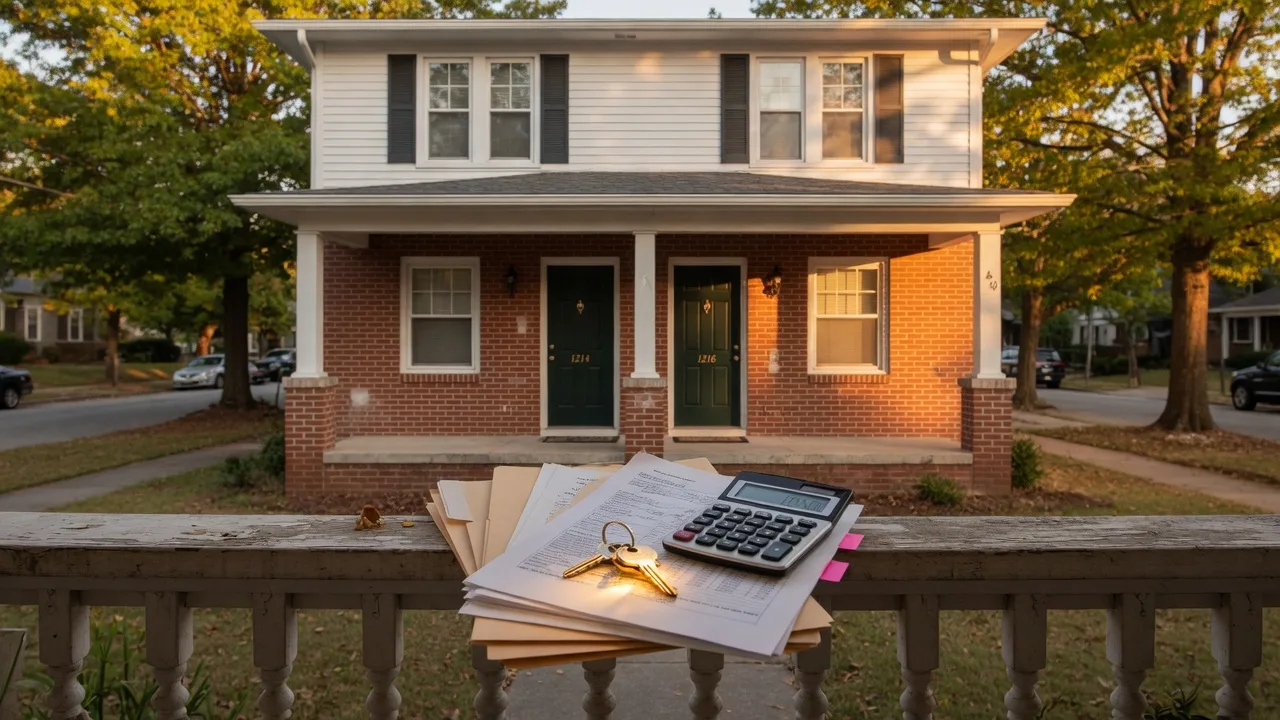
If you have typed "DSCR loan Atlanta" into Google, you are asking exactly the right question. A DSCR loan lets you finance a rental property using the income the property produces, not the income on your paycheck. That means no W-2s, no personal tax returns, and no personal debt-to-income limit standing between you and a deal. In 2026, with mortgage rates high and W-2 income hard to stretch, DSCR financing has become one of the most searched ways investors buy and refinance rental property in Metro Atlanta. Here is how it works, what lenders actually require, and when it makes sense for your numbers.
What Is a DSCR Loan in Atlanta?
DSCR stands for debt service coverage ratio, and the loan is named after the math it is built on: the property's net operating income divided by its total mortgage payment, including principal, interest, taxes, and insurance. If a rental brings in $2,000 a month in rent and the full mortgage payment is $1,700, the DSCR is about 1.18. At a ratio of 1.0 or above, the rent covers the mortgage on its own. A DSCR loan is simply a mortgage underwritten to that ratio using the property's projected rent, instead of your paycheck.
Atlanta lenders have offered these loans for years, but they moved into the mainstream in 2026 because the market changed: conventional underwriting got tighter, rates stayed high, and investors figured out the smartest way to keep buying was to let each property stand on its own cash flow.
How the DSCR Loan Math Works on an Atlanta Rental
Here is how the underwriting plays out. You find a rental that should bring in $2,000 a month. The lender takes a rent schedule or a licensed appraiser's estimate of market rent, applies a vacancy factor, subtracts property taxes, insurance, and HOA dues if there are any, and lands on the net operating income. Then they divide that number by the proposed mortgage payment. If the result clears the lender's minimum, usually 1.0 on a full-ratio program, the deal is approved on the property's own numbers. If the rent comes up short of the payment, you have a choice: bring more money down to lower the payment, find a better-renting property, or look at a no-ratio tier.
That last option is worth explaining, because it confuses a lot of investors. A no-ratio DSCR program accepts a ratio from 0.75 to 0.99, meaning the rent does not have to cover the full mortgage payment. The lender approves the loan anyway, but charges for it: these tiers usually require a credit score of 700 or better, a lower loan-to-value around 70%, and roughly a year of cash reserves. That flexibility is fine if the deal has a good reason to be short a season, and dangerous if you are just hoping rents go up later.
DSCR Loan Requirements in 2026
Requirements vary by lender, but the 2026 Atlanta market has settled into a fairly consistent frame. Most DSCR programs want a minimum credit score around 620 to 640. Loan-to-value typically lands between 70% and 80%, which means a 20% to 25% down payment on a purchase, and some single-family programs allow up to 85% LTV for well-qualified buyers. The minimum DSCR is usually 1.0 on a full-ratio program. Rates are priced above owner-occupied mortgages, because the lender is taking property-level risk rather than borrower-level risk; some programs advertise from around 5.75% at their best tiers, though most quotes land higher depending on credit, loan-to-value, and the property itself.
The advantages are speed and structure. DSCR closings commonly run 14 to 21 days, far faster than a conventional investment loan, and the financing is built for LLCs, so the property can sit in the name of your investment company from day one. There is no cap on how many DSCR loans you can carry, because none of them count against your personal debt-to-income ratio. That is the feature repeat investors value most: the portfolio keeps growing without your personal balance sheet choking on it.
Why Atlanta Investors Choose DSCR Financing
Three situations send investors to DSCR loans. The first is self-employment: contractors, small-business owners, and investors with real deductions often cannot show enough taxable W-2 income to qualify for a conventional loan, even when they are clearly able to afford the payment. The second is portfolio growth: after you own a few rentals, your personal debt-to-income ratio caps how many more conventional mortgages you can carry, and DSCR loans bypass that cap entirely. The third is pure speed and paperwork: no tax returns to assemble, no two years of pay stubs, just the property and its rent.
Atlanta keeps showing up in investor searches for a reason. Average rents across the metro run around $2,000 a month, Georgia has no rent control, so rents can move with the market as leases renew, and multifamily cap rates in Atlanta sat around 5.3% in the first quarter of 2026, with older Class C properties carrying higher caps where cash-flow investors concentrate. My monthly Atlanta Investor Index ranks the same cities on rent-to-price and days on market, and it is the first thing I check before a financing conversation.
Where DSCR Money Works Best in Metro Atlanta
The financing only matters if the property rents well, so pair a DSCR loan with the right neighborhood. In the best Atlanta investment neighborhoods, the areas that score on rent-to-price and cash flow tend to be the affordable first-ring suburbs and South Metro corridors where entry prices stay low enough for rents to cover the payment. Inside the Perimeter, cash flow is harder to find at current prices; the math there works better for appreciation-focused buyers.
I also see DSCR buyers succeed most when they combine the financing with access to inventory. Much of the small rental housing that makes the numbers work never hits the open market. I keep a running list of off-market investment opportunities and expired listings, and I bring those to investors first, before the public sees them. If your deal depends on a specific rent number, you want to see the property before it is picked over.
When a DSCR Loan Is the Wrong Tool
Honesty time. A DSCR loan is not free money. You are paying for flexibility: rates run above owner-occupied financing, and the underwriting leans on a rent estimate that has to actually be true. If the lender approves the deal at a 1.0 ratio and the real rent comes in $200 short, you are covering that difference every single month. Before you sign, I want to see the rent comps for the actual property, not a number pulled from a website, and I want to see your reserves, because a vacancy, a big repair, or a slow tenant can wipe out a thin cash-flow deal fast.
The loan gets you the property. Only the property's numbers keep you safe. If a deal only works at a 0.75 ratio with no reserves, it is not a deal, it is a gamble, and gambles have a way of becoming second jobs. Buy on today's rent, not on appreciation hope, and you will sleep fine no matter what rates do next year.
The Bottom Line on DSCR Loans in Atlanta
DSCR loans in Atlanta solve a very specific problem: they let investors qualify for rental property financing on the strength of the property itself, with no W-2 income required. In 2026, that matters more than ever, because rates are high, conventional underwriting is tight, and the investors still buying are the ones whose deals cash flow on their own. If you are ready to run the real numbers on a rental, or you want to see the off-market properties I am tracking, let us talk. I will show you the rent comps, run the cash flow, and give you an honest read on whether a DSCR loan fits your situation. Start with my guide to buying a rental property in Atlanta or the investor center for the bigger picture.
Frequently Asked Questions
What is a DSCR loan in Atlanta?
DSCR stands for debt service coverage ratio. A DSCR loan is a mortgage for investment property that is underwritten using the property's rental income instead of your personal income. The lender compares the rent the property produces to the total mortgage payment, including principal, interest, taxes, and insurance, and approves when the ratio meets their minimum, usually 1.0.
Do I need W-2 income or tax returns for a DSCR loan in Georgia?
No, and that is the whole point of the loan. DSCR lenders in Georgia qualify you on the property's projected rent, not your paycheck. You still need a decent credit score, typically 620 to 640 or better depending on the lender, plus a down payment or equity position, but you do not hand over personal tax returns, W-2s, or pay stubs.
What is the minimum DSCR ratio lenders require?
Most full-ratio programs want 1.0, meaning the rent covers the entire mortgage payment. Some lenders offer no-ratio tiers from 0.75 to 0.99 where the rent does not have to cover the full payment, but those tiers come with stricter terms: usually a credit score of 700 or better, a lower loan-to-value around 70%, and roughly 12 months of cash reserves.
How much down payment do I need for a DSCR loan in Atlanta?
Typically 20% to 25% on a purchase, because DSCR loans land around 75% to 80% loan-to-value at common credit tiers. Some single-family programs allow up to 85% LTV for buyers with strong credit. On a cash-out refinance, lenders usually stay closer to 70% to 75% loan-to-value.
Can I put a DSCR-financed rental in an LLC?
Yes. DSCR loans are built for LLC ownership, which is a big reason investors use them. Many lenders will title the loan in the name of your investment entity, or let you transfer the property into the LLC after closing. Check your lender's seasoning rules first, because some require a waiting period before a transfer.
Can I use a DSCR loan to refinance a flip or a property I bought with hard money?
Yes. A DSCR cash-out refinance is the standard exit for investors who buy with hard money or cash, fix the property, and want to pull their cash back out at a longer-term rate. The loan is based on the property's rent and appraised value after the work is done, so the rehab has to produce both stronger rents and an updated appraisal.
Let's Talk About Your Next Atlanta Rental Property
I work with self-employed investors, portfolio builders, and first-time rental buyers across Metro Atlanta, and I know which properties actually cash flow in this market. Whether you are ready to run the numbers or just want to understand how DSCR financing works for your situation, let us sit down and talk it through. No pressure, just honest answers based on real rent comps and over 20 years of working with Atlanta buyers and investors.
DSCR financing in Atlanta is a powerful tool when the property's numbers are real. A conversation tells you if it is the right tool for your deal.