How to Find Off-Market Homes in Atlanta in 2026

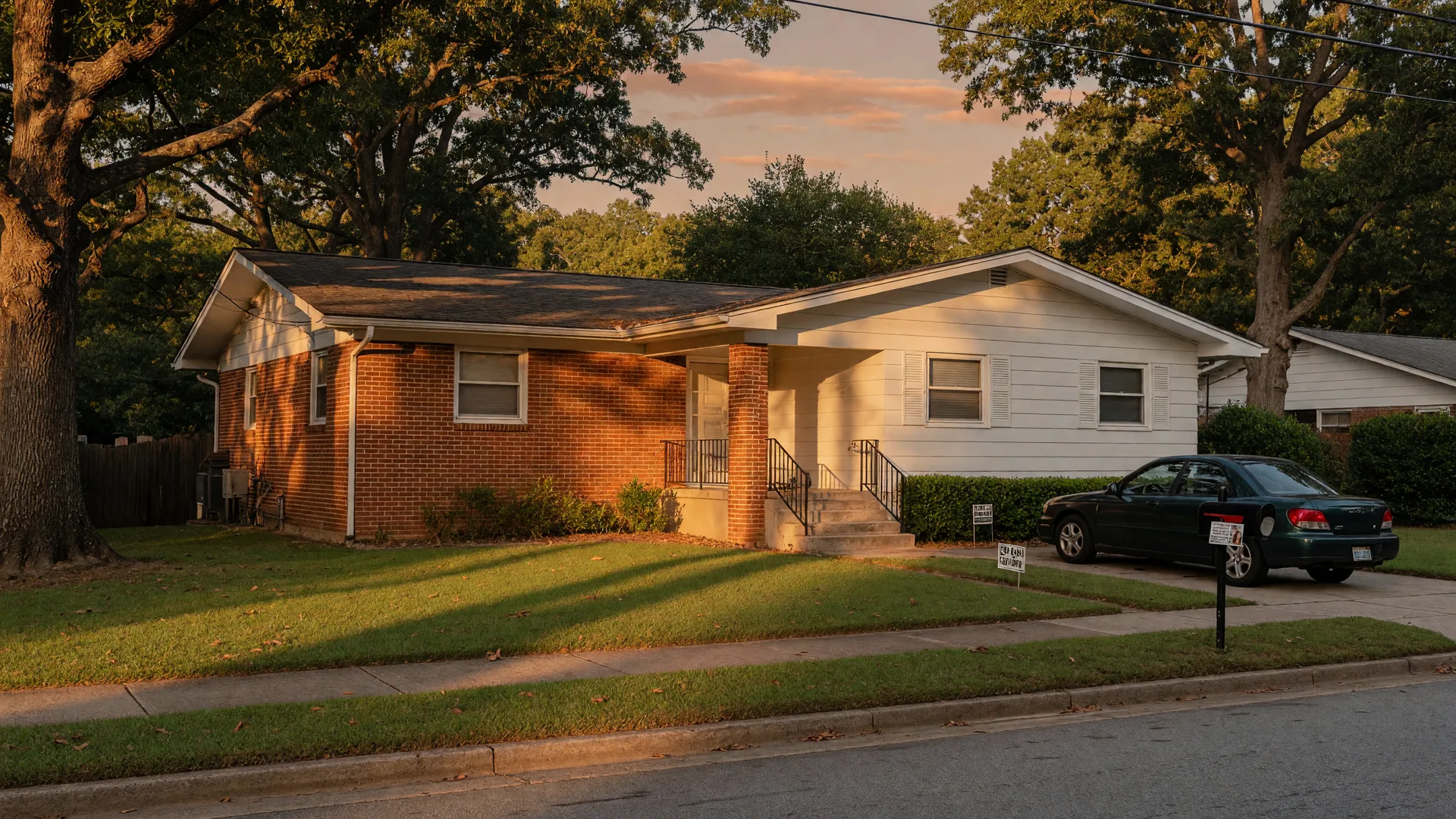
How do you find off-market homes in Atlanta in 2026? The honest answer: off-market deals are not on Zillow, Realtor.com, or the MLS, so you find them through networks, direct outreach, and the right local agent, not through a search bar. Some of the best opportunities in Metro Atlanta trade quietly, from pocket listings and expired inventory to probate properties and tired landlords who never re-list. Here is how the off-market market actually works, where the deals concentrate, and what you need to actually close one.
Why Investors Keep Asking This Question
The question shows up everywhere. On r/ATLHousing, investors compare strategies for finding deals before they hit the public feeds. On Google, people search "homes not on Zillow," "off-market homes Atlanta," and "how to find pocket listings" every day. And it is the question I get most from my investor clients, because the public market is crowded. When a home hits the MLS in a good Atlanta neighborhood, it gets dozens of showings in the first weekend. Off-market, you are one of two or three buyers in the room instead of twenty. That is the whole advantage, and it is why the smartest buyers I work with spend as much energy off-market as they do watching the feeds.
What Counts as Off-Market
Off-market real estate is any home for sale that is not listed on the MLS or the public portals. There are several flavors. A pocket listing is when one agent markets a home privately through their own network and word of mouth, often for privacy or to test pricing. Then there are expired listings: homes that were on the market, did not sell, and came off, where the seller is often readier to deal and more open to a private offer. Withdrawn listings are similar. Estate and probate properties frequently move quietly while families settle the estate, and much of that probate real estate in Georgia never reaches the public market. Tired landlords deciding to exit also call their agent before they call a listing service.
The Five Ways Off-Market Deals Actually Happen
One, agent networks. Many off-market properties are shared between agents before they ever reach the MLS. Listing agents, investor groups, and relocation networks talk to each other every day. I maintain active relationships across the metro, which is how my off-market list gets built: homes that never hit Zillow.
Two, wholesalers. Atlanta has an active wholesale scene. A wholesaler finds a seller who wants out, puts the property under contract at a discount, and then assigns the contract to an end buyer for a fee. Platforms like Offa, New Western, and Connected Investors list some of this inventory, but most wholesale deals move through direct relationships. To work with a wholesaler you usually need a one-page buyer profile, target ZIPs and price range, plus proof of funds.
Three, direct outreach. This is the classic "driving for dollars" work: identifying vacant or dated homes, absentee owners, tax-delinquent properties, and inherited homes, then reaching out by mail or phone. For investors with the patience, this is how you build a pipeline that never depends on the public market.
Four, expired and withdrawn listings. Homes that did not sell the first time are still for sale in the seller's mind. The listing may have expired over pricing or condition, and a quiet conversation can turn an expired listing into an off-market purchase before a relaunch ever happens.
Five, probate and estate sales. Inherited properties are often handled privately while families settle the estate. I work with families and estate attorneys across the metro to identify these opportunities before they reach the public market, and much of it never does.
Where the Deals Concentrate in 2026
The corridors with the most distressed and investor inventory in 2026 run through the south and west metro. South Fulton and the Camp Creek corridor are anchored by Hartsfield-Jackson jobs and Camp Creek Marketplace, with median prices around the mid-$300s and steady B/C-class inventory. East Point, ZIPs 30344 and 30364, keeps showing up as a corridor that still produces sellers who want out, the deals that bigger buyers overlook, with MARTA access and airport-adjacent rental demand. College Park runs in the $275K to $450K range with airport-based tenants. Douglasville, ZIPs 30134 and 30135, carries some of the highest distressed and foreclosure volume in the west metro, which makes it a favorite for off-market hunting. Older intown blocks in West End and Vine City still hold renovation upside for the patient buyer. My Atlanta Investor Index ranks these corridors on rent-to-price and days on market, and it is the first page I pull up before running any off-market deal.
What You Need to Actually Close
Access is only half of it. Off-market sellers chose a quiet sale on purpose, which means they want certainty. If you are working with a wholesaler, expect to show proof of funds, often a bank statement or a hard-money commitment letter. If you are financing, a strong pre-approval and a 30-day close matter more than a slightly higher price. Cash and hard money win the fastest deals, which is why the BRRRR investors doing well in Atlanta pair their acquisition with a financing stack they can close on quickly.
There is also a myth worth clearing up: off-market does not automatically mean cheap. Some sellers price at or above market because they want discretion. The discount shows up on the eager-to-sell side of the market, expired listings, estates, and tired landlords, not on every quiet sale. And because there is no public comp for an off-market home, you need someone who knows what the property is actually worth and what the renovation will cost. That is where a local agent who runs the numbers earns their keep.
How Buyers Win Before the Public Market
Off-market is not just for investors. A buyer with clear criteria and a local agent in the network can absolutely get first look at homes before they hit the feeds. If a seller wants privacy, or wants to test pricing without a public listing, a well-qualified financed buyer who can close is just as attractive as an all-cash investor. The best investment neighborhoods guide maps where that inventory lives, and the buyer side of off-market explains the benefits from the purchase side: first look, less competition, and homes that never get listed at all.
If you are thinking about the strategy as a whole, my Mableton rental investing post and the house hacking guide show how off-market purchases feed a long-term portfolio, and the Ask Tommy page answers the follow-up questions buyers and investors actually bring me.
The Bottom Line on Off-Market in Atlanta
Off-market homes are how a lot of the best Atlanta deals actually get done, and they are never going to show up in a Zillow search. You find them through agent networks, wholesalers, direct outreach, expired inventory, and probate work, and you close them by being ready: proof of funds, a fast timeline, and a team that knows the corridor. The corridors with the most volume in 2026, South Fulton and Camp Creek, East Point, College Park, and west metro Douglasville, are the same ones on my off-market radar. If you want first look at what I am tracking before it hits the public feeds, or you want to know whether an off-market property is actually priced right, I am available. I'm ready when you are.
Frequently Asked Questions
Are off-market homes cheaper than listed homes?
Not automatically. Some sellers price off-market at or above market because they want discretion, not a discount. The real advantage is access and less competition: you see homes before they are publicly marketed, and you compete against one or two qualified buyers instead of twenty. The discount shows up most reliably on distressed inventory, expired listings, and estate sales, where the seller needs to move and the home has been off the public market for a reason.
Do I need to pay cash for an off-market deal in Atlanta?
No, but you need to be ready to move. Many off-market sellers and almost all wholesalers want a buyer with proof of funds and a fast closing, which is why cash and hard money offers win. If you are financing, a strong pre-approval and the ability to close in 30 days or less keeps you competitive. The seller chose off-market partly to avoid disruption, so a clean, certain offer matters more than the price alone.
What is a pocket listing, and is it the same as off-market?
A pocket listing is one specific kind of off-market deal: a single agent or broker markets a home privately through their own network and word of mouth, without putting it on the MLS. All pocket listings are off-market, but not all off-market homes are pocket listings. Off-market also covers homes that expired from the MLS, withdrawn listings, probate and estate properties, and direct-to-seller deals. Your agent's network is the key to seeing them.
Can a regular buyer access off-market homes, or is it only investors?
Both. Off-market inventory spans every price point, from starter homes in East Point to estate properties in Buckhead. Investors get the most attention because they buy quickly and in volume, but a well-qualified buyer with clear criteria and a local agent in the network can absolutely get first look at off-market homes. If a seller wants a quiet sale, a strong financed buyer who can close is just as attractive as an all-cash investor.
How do wholesalers work in Atlanta real estate?
A wholesaler finds a seller who wants out, puts the property under contract at a discount, and then assigns or sells that contract to an end buyer for a fee. Atlanta has active wholesalers and platforms like Offa, New Western, and Connected Investors that source distressed homes. To work with them you typically provide a one-page buyer profile with your target ZIPs and price range plus proof of funds. You get access to deals that never hit the MLS, and they get a faster, more certain close.
Where are the most off-market deals in Metro Atlanta?
The corridors with the most distressed and investor inventory in 2026 are South Fulton and the Camp Creek corridor, East Point (ZIPs 30344 and 30364), College Park, and the west metro around Douglasville, plus older intown blocks in West End and Vine City where renovation upside is real. Wholesalers and direct-mail campaigns concentrate in these areas because entry prices run well below the metro median. My off-market list for buyers and investors leans on the same corridors.
Let's Find the Deals That Never Hit the Market
I work with buyers and investors across Metro Atlanta, and I track the off-market, expired, and probate inventory that never makes it to Zillow. Whether you are looking for a first rental, a value-add project, or a quiet move into an intown neighborhood, let us talk about your criteria and get you first look. No pressure, just honest answers with over 20 years of Atlanta market experience behind them.
A 30-minute conversation tells you whether off-market fits your goals in this market. That is the starting point.