Best Atlanta BeltLine Neighborhoods to Buy in 2026

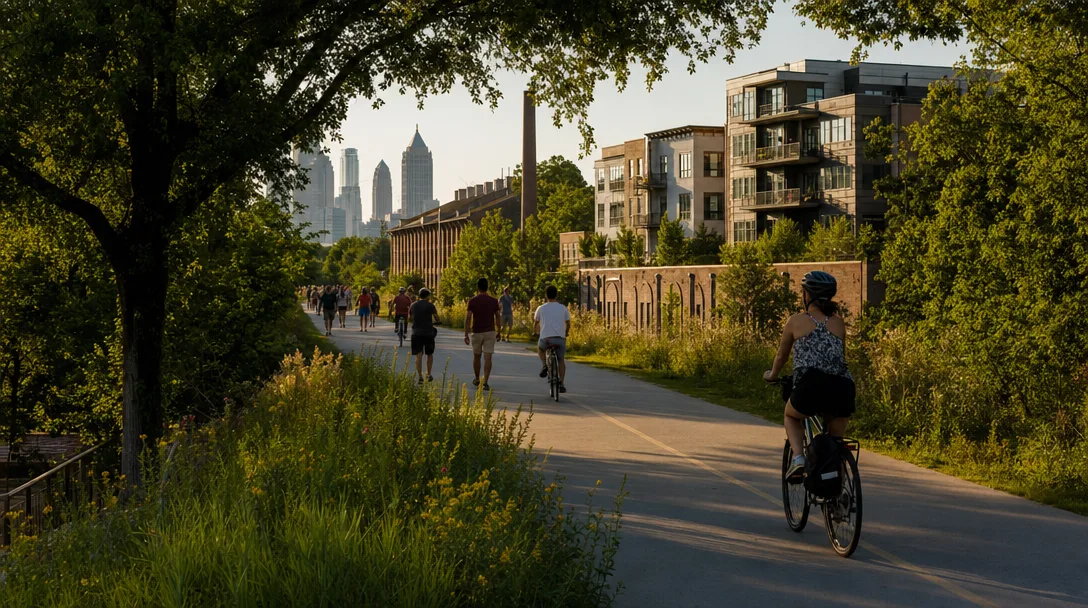
The Atlanta BeltLine just got a lot bigger. In June 2026, the Southside Trail Segments 2 and 3 opened, connecting the Eastside, Westside, and Southside trails into roughly 17 miles of continuous paved path. That is a big deal for anyone who lives near the BeltLine, and an even bigger deal for anyone thinking about buying near it.
If you are searching for the best BeltLine neighborhoods in Atlanta, you already know the appeal. Walkability, bike access, parks, restaurants, breweries, and the kind of street-level energy that makes a neighborhood feel alive. Homes along the BeltLine have appreciated faster than the rest of the city for years, and the gap is only widening as more of the trail comes online.
I have been helping buyers find homes along the BeltLine corridor for Over 20 years. I have watched neighborhoods transform, prices climb, and new communities spring up around every new trail segment. Here is my guide to the BeltLine neighborhoods worth your attention in 2026, broken down by price point, growth trajectory, and what each one actually feels like to live in.
Why the BeltLine Matters More Than Ever in 2026
The Southside Trail completion changed the math for a lot of neighborhoods. For the first time, you can walk, run, or bike from the West End all the way to Piedmont Park without stepping onto a city street. That kind of connectivity raises the value of every home within a half-mile of the trail, and it opens up neighborhoods that used to feel disconnected from the rest of the city.
According to recent market data, homes within a five-minute walk of the BeltLine command a premium of 15 to 25 percent compared to similar homes just a few blocks further away. And with mortgage rates hovering in the low-to-mid 6 percent range, buyers are putting a premium on locations where they can reduce car dependence and enjoy walkable amenities.
The 2026 FIFA World Cup is also putting a spotlight on Atlanta's intown neighborhoods. The BeltLine was fast-tracked to be ready before the tournament, and the international attention is drawing interest from out-of-state buyers, investors, and renters. If you have been waiting for the right time to buy along the BeltLine, this summer and fall are shaping up to be active seasons.
Eastside Trail Neighborhoods: Established and Appreciating Steadily
The Eastside Trail, which runs from the Old Fourth Ward through Inman Park and Virginia-Highland to Piedmont Park, is the most mature segment of the BeltLine. These neighborhoods have been popular for years, and prices reflect that. But they remain the most desirable addresses for buyers who want the full BeltLine experience.
Old Fourth Ward (O4W)
O4W is the heart of the BeltLine. The Eastside Trail runs right through it, Ponce City Market is steps away, and the neighborhood has a mix of historic bungalows, new condos, and townhomes that keeps inventory varied. Home prices here range from the mid-$400,000s for a one-bedroom condo up to $1 million-plus for a renovated single-family home. Appreciation has averaged around 8 to 9 percent annually. The trade-off is that inventory is tight. Homes in O4W that are priced well and staged properly tend to go under contract within the first week.
Inman Park
Inman Park is the neighborhood right next to O4W, and it has its own distinct feel. Victorian homes, tree-lined streets, and a quieter residential character while still being minutes from the BeltLine, the Freedom Park trail, and the Inman Park Village shops. Prices are comparable to O4W on the high end, but you get more house and more yard for the money. Inman Park appeals to families who want intown living without sacrificing space.
Virginia-Highland
Virginia-Highland sits at the northern end of the Eastside Trail and offers some of the most sought-after real estate in the city. The neighborhood is famous for its restaurant row on Virginia Avenue, its historic bungalows, and its walkability. Home prices tend to start in the $600,000s and climb quickly from there. Virginia-Highland is ideal for buyers who want the BeltLine lifestyle but prefer a quieter, more established residential setting than the energy of O4W.
Southside Trail Neighborhoods: Where the Value Is in 2026
The newly opened Southside Trail is where I see the most opportunity right now. These neighborhoods have been overlooked by buyers who only knew the Eastside, but the trail connection is changing that fast. Prices are lower, inventory is higher, and the growth trajectory is pointing up.
Grant Park
Grant Park has always been a solid intown neighborhood with one of Atlanta's best parks at its center. The Southside Trail now runs along its northern edge, giving residents direct trail access to the rest of the BeltLine system. Homes in Grant Park range from the low $400,000s for smaller bungalows up to $800,000-plus for fully renovated Victorians. Appreciation has been running around 7 percent. Grant Park is especially good for buyers who want a established neighborhood with a strong sense of community, good schools, and easy access to the zoo and the park.
Summerhill
Summerhill has been one of Atlanta's fastest-appreciating neighborhoods over the past few years, and the Southside Trail opening adds another layer of demand. The neighborhood is walkable to Georgia State Stadium, the Atlanta Braves' former home turned football venue, and a growing commercial strip on Georgia Avenue. Home prices are still reasonable compared to Eastside neighborhoods, with entry-level homes in the high $300,000s to low $400,000s. Summerhill is a strong pick for buyers who want to get in before prices catch up to the rest of the BeltLine corridor.
Glenwood Park and Ormewood Park
These two neighborhoods sit just south of Grant Park and have benefited heavily from the Southside Trail extension. Glenwood Park is a newer planned community with townhomes, condos, and single-family homes built around a small commercial village. Ormewood Park is older and more established, with ranch homes and bungalows on quiet streets. Prices in both neighborhoods are generally in the $350,000 to $600,000 range. These are excellent options for buyers who want BeltLine access without paying Eastside prices.
Westside Trail Neighborhoods: High Growth and New Development
The Westside Trail runs from the West End through West Midtown and up to Bankhead. This corridor has seen some of the most dramatic change in Atlanta over the past five years, with new apartments, townhomes, retail, and office space springing up around every trail entrance.
West Midtown
West Midtown leads the BeltLine neighborhoods in appreciation, with annual growth around 10 percent. The neighborhood is packed with new construction townhomes, loft conversions in former industrial buildings, and a restaurant and brewery scene that rivals any part of the city. Home prices start in the low $400,000s for condos and climb past $1 million for larger townhomes. West Midtown is ideal for buyers who want a modern, urban, walkable lifestyle with the BeltLine right outside their door.
West End
The West End is one of the most affordable BeltLine-adjacent neighborhoods and offers the best value on the entire corridor. Historic homes, a strong arts community, and direct trail access make it a compelling option for buyers who are priced out of other intown neighborhoods. Home prices typically range from the $200,000s to the $400,000s, with some larger historic homes pushing higher. The West End is a neighborhood in transition, which means more upside potential but also less certainty about the pace of change. For buyers willing to be early, this is where the opportunity is.
Reynoldstown
Reynoldstown is east of the BeltLine, just south of Inman Park and north of Glenwood Park. It has long been one of Atlanta's more affordable intown neighborhoods, but the Southside Trail connection is changing that. The neighborhood is walkable to the BeltLine, the East Atlanta Village dining scene, and the Edgewood Retail District. Home prices range from the low $300,000s for smaller homes up to the $600,000s for renovated properties. Reynoldstown is a smart pick for buyers who want intown value with strong appreciation potential.
East Atlanta Village and Edgewood
These two neighborhoods sit just off the BeltLine but are close enough to benefit from the trail expansion. East Atlanta Village (EAV) is one of Atlanta's most vibrant commercial districts, with live music venues, bars, restaurants, and a strong sense of local character. Homes in the EAV area range from the low $300,000s for a fixer-upper to the $500,000s for a renovated bungalow. Edgewood, just north of EAV, offers similar pricing and proximity to both the BeltLine and the Kirkwood commercial corridor. Both neighborhoods have been appreciating steadily at around 6 to 7 percent annually. For the direct answer on Kirkwood itself, my Kirkwood good place to live guide covers its historic district, the village, the Eastside Trolley Trail connection, and its school assignments.
How to Choose the Right BeltLine Neighborhood for You
With 36 neighborhoods now connected by the BeltLine, the options can feel overwhelming. Here is how I help my buyers narrow it down.
Start with your budget. BeltLine-adjacent homes range from the low $200,000s in the West End to over $1 million in Virginia-Highland and O4W. Knowing your price range will narrow the list quickly.
Think about your lifestyle. Do you want to be in the middle of the action with restaurants and nightlife steps away? That is O4W or West Midtown. Do you want a quieter residential street with a yard? That is Inman Park or Grant Park. Do you want to be early in a neighborhood that is still finding its footing? That is the West End or Summerhill.
Consider the trade-offs. Eastside neighborhoods are more expensive but more established. Southside neighborhoods offer better value but are still in transition. Westside neighborhoods have the highest appreciation rates but also the most new construction, which means more development noise and dust in the short term.
Look at the school options. If schools matter, Grant Park, Virginia-Highland, and Inman Park have the strongest nearby elementary and middle school options. Other neighborhoods may feed into schools that are less highly rated, though many BeltLine-area parents choose private or charter schools.
Walk the trail yourself. The best way to choose a BeltLine neighborhood is to spend a Saturday walking or biking a few segments. Park at a different trailhead each weekend. Grab coffee, walk the path, and get a feel for the neighborhood. The right fit is the one where you picture yourself coming home every day.
The Bottom Line on BeltLine Neighborhoods in 2026
The Atlanta BeltLine is the single most transformative piece of infrastructure in the city, and the Southside Trail connection makes it more valuable than ever. Homes along the corridor have appreciated faster than the rest of Atlanta for years, and every indicator points to that trend continuing as the full trail network matures and the World Cup brings international attention to the city.
Whether you are looking at a condo in West Midtown, a bungalow in Grant Park, or a renovation project in the West End, the BeltLine neighborhoods offer a lifestyle that is hard to beat. The key is knowing which neighborhood fits your budget, your priorities, and your timeline.
I have been helping buyers find the right BeltLine neighborhood for over two decades. I know the trail, I know the neighborhoods, and I know how to find the home that works for you. If you are thinking about buying near the BeltLine, let's talk. I am available whenever you are ready.
Frequently Asked Questions
Which BeltLine neighborhoods have the best value in 2026?
The Southside and Westside trail neighborhoods sit at the most attractive price points right now. Summerhill, West End, and Westview all run well below Eastside Trail levels, and the Southside connection that opened in June 2026 brings them into the same continuous trail network as the pricier Eastside communities.
Is buying near the BeltLine still worth it after years of price growth?
For most buyers, yes. Homes along the corridor have appreciated faster than the rest of Atlanta for years, and the trail's completion plus the attention the city is getting keeps the trend going. You may pay a premium for trail access, but you usually earn it back through resale value and the day to day lifestyle.
What is the difference between the Eastside, Southside, and Westside trail neighborhoods?
The Eastside is established and pricey, with Inman Park, Virginia-Highland, and Grant Park leading the way. The Southside is the newest connection and where buyers are finding value in places like Summerhill and the neighborhoods along Murphy and McDonough. The Westside mixes high growth development in West Midtown with historic areas like the West End.
Can I find an affordable home near the BeltLine in 2026?
Yes, especially on the Southside and Westside. Summerhill, West End, and Westview offer entry level bungalows and condos in the $300,000s, well below the Eastside's premium. The full loop means you can live at a starter price and still bike or walk into the corridor's most popular stretches.
How does living near the BeltLine affect resale value?
Homes within walking distance of the trail have appreciated faster than the rest of Atlanta for years, and the completed network points to that continuing. Resale demand stays consistent because the walkable lifestyle is hard to duplicate anywhere else, which tends to keep values supported even when the broader market cools.
Is now a good time to buy a home on the BeltLine?
Historically, yes. Every new trail segment has brought a wave of buyer interest, and the Southside opening in mid 2026 is doing exactly that. If the neighborhood fits your daily life and the numbers work for your budget, this is as good a window as there has been in years.
Let's Find Your BeltLine Neighborhood
I work with buyers across Atlanta every day, from first-time buyers looking at condos in Summerhill to families moving into renovated Victorians in Grant Park. I know the BeltLine neighborhoods inside and out, and I can help you find the right fit for your budget and your lifestyle. No pressure, just honest guidance based on real experience and real data.
Searching for the best BeltLine neighborhoods in Atlanta? Let's find the one that fits your lifestyle and budget.