Hoping for a Housing Crash? Here's What the Experts Actually Say

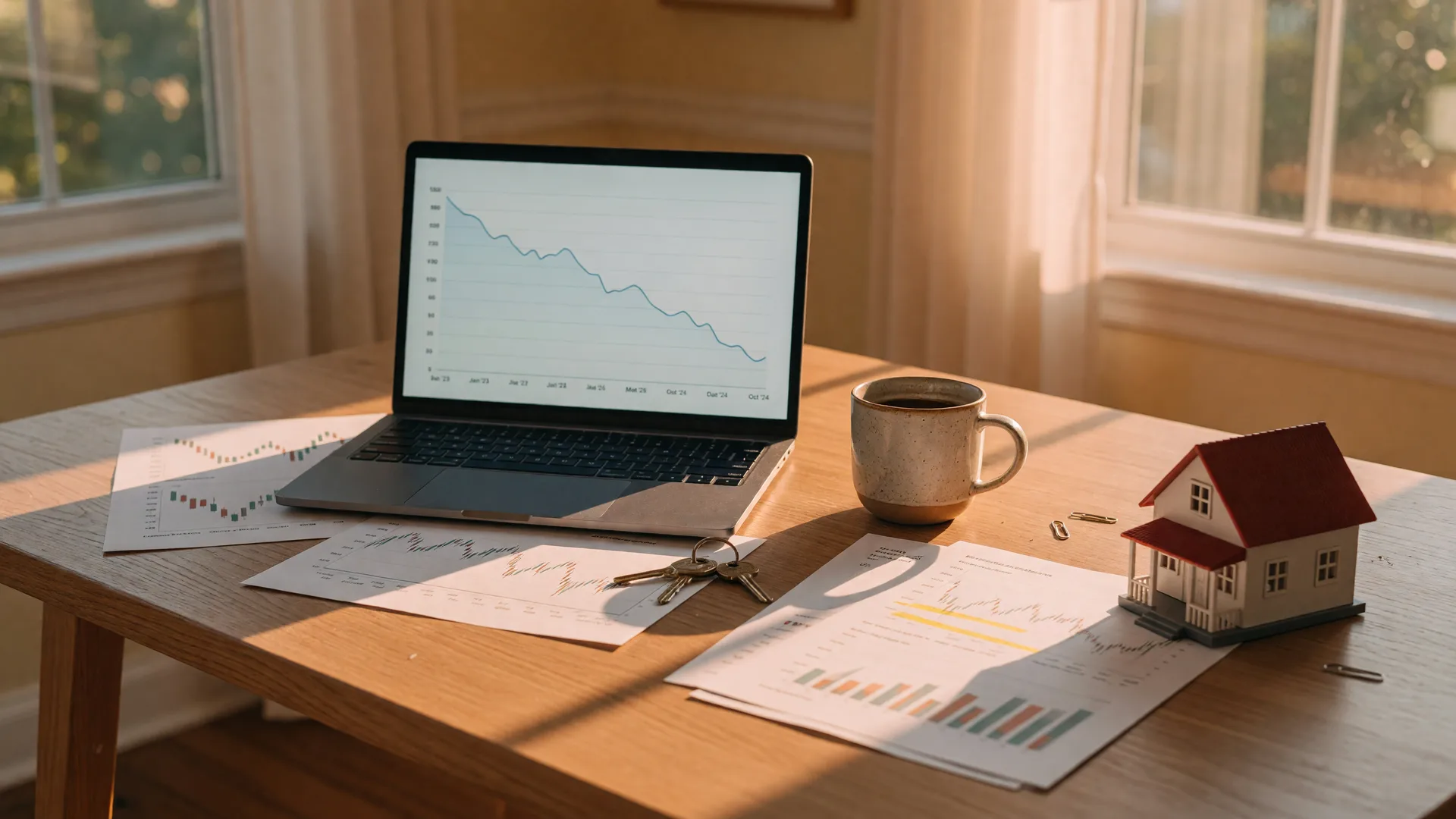
Two very different feelings are running through Metro Atlanta right now: buyers who fear a housing crash, and buyers who are quietly hoping one lands so homeownership finally feels within reach. The second group is bigger than you might think. A recent Clever survey found 58% of Gen Z buyers are rooting for a crash. So let me be straight with you about what the forecasts actually show, because wanting a crash and forecasting one are two very different things.
Why So Many Buyers Are Rooting for a Crash
Before I put numbers on the table, let me say this plainly: hoping for lower prices is not greedy, and it is not naive. If you are a first-time buyer looking at mortgage rates in the upper 6% range and metro-wide median prices in the mid $300,000s to low $400,000s, a price reset can look like the only realistic path in. The Clever survey captured exactly that. It found 58% of Gen Z buyers are rooting for a housing crash because they believe it would make homeownership feel within reach. When that many young buyers feel priced out, the market has an affordability problem, not a character problem. I understand the feeling completely, and I hear it in almost every first-time buyer consultation.
What the Experts Actually Forecast
Here is the part that matters. The people who study this market for a living are not on the side of a crash. Keeping Current Matters pulled together the latest read from Fannie Mae's quarterly survey, which asks more than 100 housing experts where they see prices headed. The panel is not calling for a crash, and the important detail is that even the pessimists are not calling for one. The latest consensus has home prices rising every single year through at least 2030, with an average forecast of about 14.7% growth over the next five years.
The near-term outlook has actually turned more optimistic. A year ago, the same panel expected 2.1% price growth this year; today they project 2.5%. That is not a group of forecasters bracing for a collapse. That is a group of forecasters describing a market that keeps grinding forward, just at a slower pace than the pandemic years. You can read the full breakdown in the Keeping Current Matters piece on whether buyers hope for or dread a crash.
Metro Atlanta: A Correction, Not a Collapse
That national picture matches what I see on the ground in Metro Atlanta. Prices here are down roughly 1.6% to 2.9% from a year ago, depending on the measure. Low single digits. That is a market cooling off and shaking off the excess of the pandemic years, not a market falling apart. Here is the other number people rarely hear: foreclosure inventory sits near historic lows. In a real crash, distressed properties pile up on the market for sale. In Atlanta today, that distressed wave simply is not there.
If you want the neighborhood-by-neighborhood detail, my monthly Atlanta market report has it, and I wrote the full breakdown of why this is a correction and not a crash for 2026.
What a Real Crash Looks Like
Since the word crash gets thrown around loosely, let me be concrete about what one actually looks like. In 2008, prices in many markets fell 20% or more in a single year. Bank-owned properties stacked up on the market. Wave after wave of homeowners were forced to sell because they lost income or their mortgage reset above what they could pay. That is a crash, and it is driven by distress.
None of that is happening here. Prices are off low single digits, foreclosure inventory is near historic lows, and the overwhelming majority of sellers I work with are selling by choice, not because they have to. A correction and a crash respond to two completely different sets of forces. We have the first. We do not have the second.
Waiting for the Bottom Is a Gamble
Here is the honest part nobody can promise you. If you are waiting for a crash to hit bottom, you are betting on three things at once: that a 20% collapse shows up despite what the forecasters say, that you will recognize the bottom while it is happening, and that you will still be in a position to buy when it does. Even in real crashes, most buyers never catch the bottom, because the bottom is only obvious in the rearview mirror.
Meanwhile, the correction we actually have is already handing buyers real leverage. Homes are taking 55 to 70 days to sell instead of 30, sellers are making price and closing-cost concessions, and buyers have time to compare properties instead of competing over a single weekend. Buyers who act on a correction get more negotiating room than buyers who wait for a crash that the experts are not forecasting.
The Bottom Line
So what do you do with all of this? Run the numbers on the home, not on the headlines. If buying is on your horizon and you can afford the payment, a mild correction is not a trap for buyers, it is one of the rare windows where sellers actually negotiate. And if you are still watching and waiting, keep watching with facts: the forecasters are not calling for a crash, and Atlanta's own numbers are not showing one. I'm available. I'm ready when you are.
Frequently Asked Questions
Is a housing crash coming in 2026?
No forecast says so. Every quarter Fannie Mae surveys more than 100 housing experts on where prices are headed, and they are not calling for a crash, not even the pessimists. The panel's latest consensus has home prices rising every year through at least 2030, with an average forecast of about 14.7% growth over the next five years.
Why are so many Gen Z buyers rooting for a housing crash?
A Clever survey found 58% of Gen Z buyers are rooting for a crash because they believe it would make homeownership feel within reach. With mortgage rates in the upper 6% range and prices that ran ahead of incomes, a price reset looks like the only realistic path in for a lot of first-time buyers. It is an affordability wish, not a prediction.
What would a real housing crash actually look like?
A 2008-style crash means prices falling 20% or more in a year, distressed inventory climbing as bank-owned homes pile onto the market, and wave after wave of forced sales from homeowners who lost income. None of that is happening in Metro Atlanta today: prices are down low single digits and foreclosure inventory sits near historic lows.
If experts do not see a crash, should I wait to buy?
Waiting for a bottom that experts are not forecasting is a gamble, because the bottom is only obvious in the rearview mirror. The correction we actually have is already handing buyers negotiating room, on price, closing costs, and repairs. If you can afford the payment and plan to stay, acting on a correction usually beats waiting for a crash that may never arrive.
What does Fannie Mae's forecast actually say about home prices?
Fannie Mae's panel of 100+ housing experts expects prices to rise every single year through at least 2030, with an average forecast of about 14.7% total growth over the next five years. Even the panel's pessimists expect price growth, just at a slower pace. The near-term outlook has also turned more optimistic: a year ago the panel expected 2.1% price growth this year; today they project 2.5%.
Wondering What Your Home Is Worth Right Now? Get Your Number
All this crash talk has a way of making homeowners ask what their own place would sell for today. The honest fix is a real number: my free, no-pressure valuation runs on actual comparable sales in your neighborhood, not an algorithm. Whether you are buying, selling, or just curious, let's run your numbers together. I can give you a straight read on your situation, not a sales pitch. Call 770-637-9774 or book a free consultation, and I'll be in touch.
Tommy Williams · Bailey Heritage Homes · GA License 287291 · tomwillsellga.com