Why Do Home Sales Fall Through in Atlanta? How to Protect Your Deal

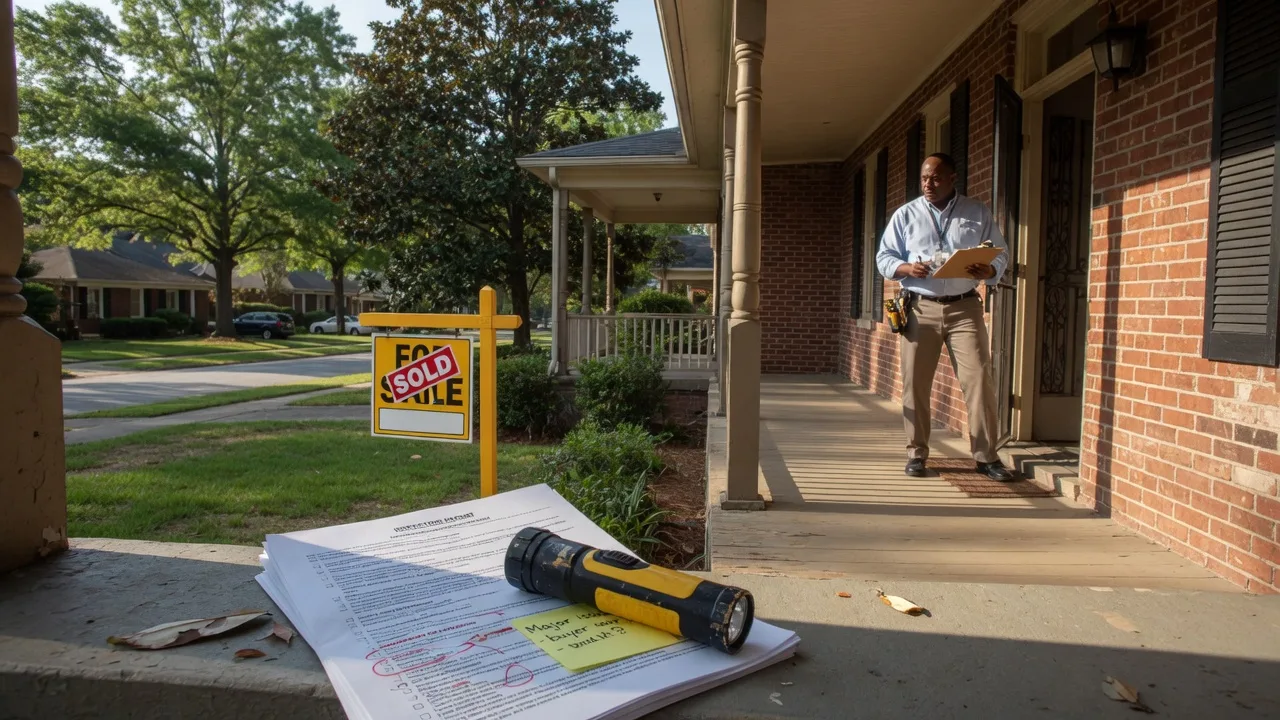
Why do home sales fall through in Atlanta? Metro Atlanta currently has one of the highest home-sale contract cancellation rates in the country, with roughly one in five pending deals ending before closing. The answer is rarely one dramatic event. It is almost always an inspection finding, a financing hang-up, or a missed deadline that was handled too late. This guide walks through the real reasons contracts die in this market and the concrete steps buyers and sellers can take to keep a deal together.
I have closed over 500 homes across Metro Atlanta over more than 20 years, and I have seen every way a transaction can hiccup. The pattern is consistent: deals rarely fall apart because of the house itself. They fall apart because a finding surfaces at the wrong moment, with no plan in place. Steady follow-through, handled early, is what carries a contract to closing.
How Often Do Deals Actually Fall Through in Metro Atlanta?
Recent reports put Atlanta near the top of the list nationally for cancelled pending sales. Redfin data shows roughly 22 out of 100 pending Atlanta home sales fell through in December 2025, and close to 19 out of 100 in January 2026. Local agents describe a similar reality in their 2026 forecasts: at least 20 percent of contracts terminate, often at the inspection stage.
Metro Atlanta's numbers sit unusually high in part because of how Georgia contracts are written. In a state like North Carolina, a buyer pays a nonrefundable fee to inspect a home, which discourages backing out casually. In Georgia, a buyer can put a property under contract, run inspections, and then walk away with their earnest money intact if the findings do not work for them. That structure is buyer-friendly, and it means sellers have to take the inspection period seriously rather than assume the deal will close.
Why Do Home Sales Fall Through in Atlanta? The Top Reasons
When a contract breaks, one of these four things is almost always the trigger.
There is one more pattern worth naming honestly. In a market with rising inventory and more negotiating room for buyers, some buyers use the inspection contingency to exit a deal they have quietly decided is more than they want to pay each month. The stated reason is a maintenance item; the real reason is budget. That is why getting ahead of the obvious inspection findings matters so much for sellers, and why understanding your full monthly number matters so much for buyers.
For Buyers: Keep Your Deal Together From the Start
You can avoid the biggest causes of a failed purchase before they become surprises.
If you are early in the process, my Georgia home inspection checklist lays out exactly what inspectors examine and the red flags that matter most. And this site's transaction guides turn the confusing parts of a deal, from inspections to contingencies to closing costs, into clear steps.
For Sellers: Get Ahead of the Deal-Breakers
The strongest protection a seller has is running a pre-listing inspection and a sewer scope before the home even hits the market. That puts problems on your schedule instead of the buyer's, and it changes the conversation from surprise to disclosure.
A home that has been inspected and priced honestly is far less likely to reach the inspection stage and stall. For the full playbook on pricing, prep, and managing inspections, start with my Atlanta selling guide.
Why Do Home Sales Fall Through in Atlanta? The Bottom Line
Home sales fall through in Atlanta for a handful of predictable reasons: sewer and system inspections, financing that does not close, and unplanned surprises surfacing too late in the process. None of them has to be fatal. Deals in this market die because a finding arrives with no plan, not because the problem is unsolvable.
On the buyer side, get the right inspections and be honest about the full monthly number. On the seller side, pre-inspect, price realistically, and disclose. Do both, and the contract you sign is far more likely to become the closing you wanted. That is the steady, follow-through approach I bring to every transaction, and it is why the deals I guide make it through the hiccups to the closing table.
Worried Your Deal Could Fall Through?
Whether you are buying or selling, a clear plan for the inspection and financing stages protects your deal from the start. Tell me about your situation and I will walk you through what to expect, what to watch, and how to close with confidence.
Related reads: Georgia home inspection checklist and transaction guides to keep every step of your deal on track.
Frequently Asked Questions
Why do Atlanta home sales fall through?
Roughly one in five contracts in the metro falls through, and the most common reasons are inspection findings, financing issues, and appraisal shortfalls. Sewer problems and aging HVAC systems top the inspection list, while buyers losing financing or a home appraising below the contract price kill deals even when the inspection is clean.
What are the most common inspection findings that kill deals?
Sewer scope issues, an aging roof or HVAC, and foundation or moisture problems are the ones that get deals renegotiated or canceled. Buyers often respond strongly to big-ticket unknowns, so a seller who has done a pre-listing inspection and can show the systems are sound removes the terror factor from the inspection report.
How can buyers protect their deal from falling through?
Get your financing fully underwritten before you write an offer, keep your down payment stable, and do your due diligence inside the contingency window. Choosing the right contingency lengths and responding quickly to inspection results keeps the momentum that a delayed deal loses to doubt.
How can sellers avoid a failed contract?
Disclose honestly, price at market, and handle the obvious repairs before they become objections. A seller who goes under contract at an inflated price is more likely to see an appraisal shortfall, and a seller who hides known problems is more likely to see a buyer walk during inspection. Straightforward homes go to closing.
Questions About a Current or Pending Contract?
Every deal has its own timeline and its own risks. If you want to protect a contract you are in, or avoid the pitfalls before you start, fill out the form below and I will get back to you. I'll be in touch.
Thank you for reaching out. I'll review your message and get back to you shortly.
I'll be in touch
Back to HomePlease try again or call me directly. I'm ready when you are.