Should You Sell Your Atlanta Home Now or Wait Until Fall? A 2026 Guide

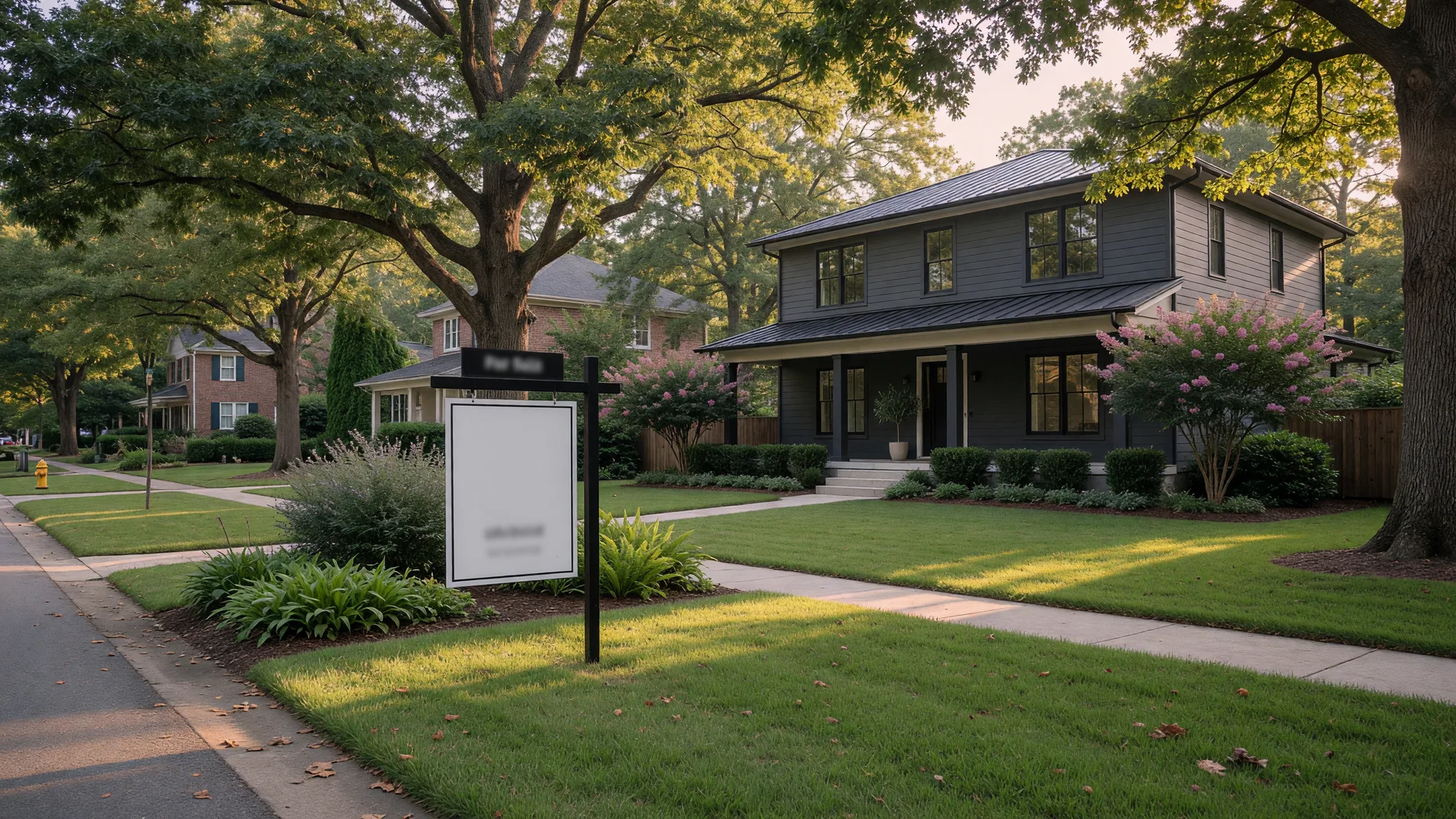
Every seller I talk to in August is asking the same question: "Should I list now or wait until the fall market?" It makes sense. Summer is winding down, Labor Day is around the corner, and the back-to-school energy is shifting the housing market into its next phase. The answer is not the same for every homeowner, but the data gives us a clear picture of what to expect in both windows. Let me walk you through it.
Where the Atlanta Market Stands Right Now (September 2026)
Before we talk about timing, let's ground this in real numbers. Here is what the Metro Atlanta market looks like as of mid-2026.
- Median home price: $408,000 to $410,000 depending on the data source, up roughly 2% year-over-year from $400,000 in June 2025. Home prices are holding steady but not surging.
- Days on market: Averaging 40 to 54 days across the metro, depending on the neighborhood. That is up significantly from the 17 to 30 day sprints we saw in 2022 but consistent with a balanced market.
- Active inventory: Over 34,000 homes for sale as of June, up about 10% year-over-year. Buyers have more choices than they did last year.
- Months of supply: Roughly 3.8 to 5.4 months depending on property type and submarket. That is balanced to slightly buyer-favorable, a meaningful shift from the sub-3-month seller's market we had through 2023.
- Year-over-year trends: Prices are appreciating at a modest 0.5% to 2% pace, down sharply from the 7% to 9% gains of 2024. Closed sales are essentially flat. Seller concessions are being used in about 67% of transactions. Homes are averaging about 2 offers instead of the 5 to 10 we saw during the pandemic peak.
In plain language: the market has stabilized. It is not crashing and it is not booming. It is functioning like a normal housing market where good homes priced correctly sell at fair value, and overpriced homes sit. That is actually a healthy environment for making a deliberate decision about timing.
For a deeper look at your specific home's value in this market, check my Atlanta home value tool for real-time comparable data on your property.
Summer 2026 Selling Advantages: Why Now Makes Sense
If you are considering listing before the calendar turns to September, here is what works in your favor.
Peak buyer activity is still happening. Summer is the season with the highest number of active buyers in the market. Families who did not find a home in the spring window are still looking. They want to close before the school year starts, so the urgency is real through the end of August and into early September. This is the time when your home gets the most eyeballs in the shortest window.
Longer daylight hours show your home at its best. The natural light advantage of summer is real. Evening showings can happen at 6 or 7 PM with full sun still on the curb. Landscaping is lush. The home shows warm, bright, and inviting. That curb appeal matters more than most sellers realize.
More listings mean more buyers, not just more competition. It is true that summer has more inventory. But the relationship between listings and buyers is not linear. More listings draw more buyers into the market because there is more to see. A healthy inventory level means serious buyers are out looking every weekend. The key is making sure your home stands out against the other listings on the market right now.
Current interest rates support buyer demand. Mortgage rates climbed just above 7% in early October 2026, with Freddie Mac's weekly survey at 7.28%, the highest reading since late 2023. That is elevated compared to the 3% era, but it is a known quantity. Buyers have adjusted their expectations. The ones who are shopping now are qualified and motivated. They are not waiting for rates to drop further. They are buying based on their current needs and their credit approval. If rates ease later as some forecasts predict, it could bring more buyers into the market and support prices.
If you want a deeper look at why listing in the summer works, read my full guide on why summer is a great time to sell an Atlanta home in 2026.
Fall 2026 Selling Considerations: What Changes After Labor Day
The fall market is different from summer in several important ways. Here is what you should know if you are considering waiting.
Fewer buyers are in the market. This is the biggest shift. Once September hits, the pool of active buyers shrinks. Families are focused on school routines, sports schedules, and the general busyness of fall. Weekend open houses that drew 20 groups in June might draw 8 in October. You need fewer competing offers to sell, which means your pricing and presentation matter even more.
The holiday season puts a hard stop on activity. By mid-November, the market slows considerably. Thanksgiving week is quiet. December is the slowest month of the year for real estate. If you list in October and do not go under contract by mid-November, you risk carrying the listing through the holiday lull and into January. That stretch of low activity can make a listing feel stale by the time the spring market arrives.
But there is a trade. Less competition from other sellers. Fewer homeowners list in the fall. That means the available inventory drops. Your home competes against a smaller pool of listings. And the buyers who are shopping in the fall tend to be more serious and more motivated. They often have a pressing reason to buy. A job relocation. A lease ending. A tax-driven closing deadline. Those buyers are not tire-kickers. They are ready to write an offer.
Rate trajectory matters for fall buyers. Earlier forecasts hoped rates would ease to the low 6% range by late 2026, but the market has run hotter, with the 30-year fixed topping 7% in early October, the highest reading since late 2023. If rates eventually ease, buyer purchasing power increases and can bring more buyers off the sidelines. But if they hold steady, the buyer pool stays constrained. I am watching the signals closely and will adjust pricing recommendations for my sellers accordingly.
Atlanta-Specific Data: What the Local Market Is Telling Us
Metro Atlanta is not one market. It is dozens of submarkets that move at different speeds. Here is the data breakdown at the metro level and what it means for your neighborhood.
Absorption rate. The metro absorption rate is sitting below 10%, which means the market is absorbing inventory at a measured pace. That is a shift from the 20%+ rates we saw during the pandemic years. Homes are still selling, but they take longer and require more deliberate pricing strategy. Some submarkets are absorbing faster than others. Intown neighborhoods near the BeltLine and premium school districts are still competitive, while outer-ring suburbs with longer commutes are seeing the slowest absorption.
Price reduction trends. About 1 in 5 active listings had a price reduction in May 2026, which is a meaningful number. It tells me that sellers who came in hot with aspirational prices are having to adjust. The sale-to-list price ratio is roughly 0.982, meaning buyers are closing about 1.8% below the original asking price. On a $400,000 home, that is about $7,200 in negotiated concessions or price adjustments. This is not a sign of a weak market. It is a sign that pricing discipline matters more than it did two years ago.
Homes sitting vs. selling fast. The homes selling fastest right now are the ones priced within 2% of recent comparable sales from day one. Homes priced 5% or more above market comps are sitting for 70 to 90 days before the seller adjusts, and by then the fresh-buyer wave has moved on. The most successful sellers in this market are the ones who study their comps, listen to their agent's pricing advice, and launch at a price that creates immediate activity.
Neighborhoods still hot in 2026. Old Fourth Ward, Inman Park, and Midtown are still commanding strong prices and fast sales thanks to BeltLine access and urban amenities. Buckhead luxury homes are moving steadily. Virginia-Highland and Decatur remain top performers for family buyers. Reynoldstown and East Atlanta Village offer the best value for first-time buyers in the mid-$400,000s.
Neighborhoods cooling. Some outer-ring suburbs that saw explosive pandemic-era price growth are now seeing the softest conditions. Longer commutes and higher mortgage rates have cooled demand in far-reaching exurbs. Days on market are stretching longest in these areas, and price reductions are most common.
For a neighborhood-specific look at timing, read my guide on the best time to sell a house in Atlanta by neighborhood and season.
The Real Question: What Does YOUR Situation Look Like?
The calendar is one factor. Your personal situation is the bigger factor. Here are the questions I ask every seller before we decide on timing.
Do you need to sell? Has your timeline been set by a life event? A job change. A relocation. A divorce. A probate situation. A growing family that has outgrown your current home. If you have a deadline, the market timing question becomes secondary to the question of what you need to accomplish. If you are in a distressed situation, my guide on cash offer options covers faster alternatives to a traditional listing.
How much equity do you have? This is the number that really matters. Your equity position determines how much flexibility you have on price, whether you can afford your next down payment, and what you walk away with at closing. If you have strong equity, you have room to price competitively and still come out ahead. If your equity is thin, you need to be more strategic about timing and pricing to maximize your net proceeds.
What would you buy next and when? A sale is only half the equation. If you plan to buy another home in Atlanta, the same market conditions apply on both sides. If your next home will cost more than your current one, a rising market helps you on the sell side but costs you on the buy side. If you are downsizing or moving to a lower-cost area, the math works differently. I walk through this in detail in my Sell Now or Wait analysis.
Is your home priced right for THIS market? The single biggest factor in whether your home sells quickly or sits is whether the price reflects current market conditions, not last year's comps or what you want to get. I run a full comparative market analysis on every home I list, and I am honest with sellers about where the market is right now. Your neighbor's sale from March 2026 is not the same as what your home will do in September 2026. Market conditions shift month to month, and your price needs to shift with them.
Sell Now If...
This checklist is for sellers who are leaning toward listing in the next few weeks. If three or more of these fit your situation, summer is your window.
- You need to move before the end of the year and cannot afford to carry two homes through the holiday season.
- Your home is well-maintained, staged, and ready to show with minimal preparation.
- Your neighborhood has strong summer absorption and comparable homes are selling within 45 days.
- You have clear equity and can price competitively from day one without losing your net proceeds target.
- You can be flexible with showings and open houses through the end of August and early September.
- You want to capture the highest buyer activity window of the year while inventory is still manageable.
- You have a plan for your next move, whether that is buying, renting, or relocating.
Wait If...
This checklist is for sellers who should consider waiting until spring 2027 or at least reassessing their fall strategy carefully. If three or more fit, patience may serve you better.
- Your home would benefit from improvements, staging, or decluttering that you cannot finish in the next two weeks.
- You are not ready to decide on your next home and would risk being stuck between two moves.
- Your home is in a cooling submarket where days on market are stretching past 75 days and price reductions are common.
- You have the financial flexibility to wait until the spring market without carrying costs stressing your budget.
- You are not emotionally ready for the process of showings, negotiations, and moving.
- You want to see if mortgage rates ease in the fall, which could bring more buyers into the early 2027 market.
- You listed earlier this year at a price that did not attract offers and need time to reset the strategy.
Frequently Asked Questions
Is selling now better than waiting for spring 2027?
It depends on your timeline and your financial picture more than the calendar. The current window still has the largest pool of active buyers, and homes priced right in Metro Atlanta are selling in about 40 to 54 days. Spring usually brings a strong, fresh wave of buyers, but you carry the home, the insurance, and the taxes while you wait. I run the numbers both ways for clients before they decide.
If prices are still rising, will waiting earn me more?
Probably not as much as you would think. Appreciation is running about 2% a year, and that small gain is often eaten by the cost of carrying the home for several more months. An overpriced or neglected home sits regardless of the season. What moves your number most is a right price and a prepped home at launch, not an extra fraction of appreciation.
Should I wait until mortgage rates ease in the fall to list?
Rates are one input, not the whole decision. If rates drift into the low sixes, more buyers may come back to the market, and that can support prices. But the buyers who are shopping today are already qualified and motivated. Holding a listing for months on the chance of a small rate shift is usually a weak reason to delay a move you are otherwise ready to make.
What if I have a deadline because of a job or a life change?
Then the calendar settles it for you, and no forecast should overrule it. Relocations, growing families, divorce, probate, and other date-driven moves need a schedule that works backward from your goal date. In that situation we price and market to produce an offer on your timeline, and we keep faster options like a cash sale in reserve if time gets tight.
Is the market heading for a crash if I do not sell?
The data does not point to a crash. Metro Atlanta is in a balanced market: prices are up about 2% year over year, inventory is healthy, and homes are averaging around two offers instead of five to ten. What is correcting is overpriced listings, not prices themselves. A headline should not rush you into listing before your home is ready.
How should I price my home if I decide to list this fall?
The same way you should in any season: in line with what recent comparable sales support, from day one. The data shows homes priced within about 2% of recent comps selling on a normal timeline, while homes priced 5% or more above the market can sit for 70 to 90 days. With fewer buyers moving in the fall, pricing discipline and presentation matter even more.
Let's Find the Right Timing for Your Home
I am Tommy Williams. I have been helping Atlanta homeowners make smart selling decisions for over 20 years. I have sold over 500 homes across Metro Atlanta, from intown condos to executive estates, and I know what works in this market. The decision to sell now or wait is personal and financial. I can help you look at your specific numbers and your specific situation and give you an honest recommendation based on real data.
That is what I do. I help you see the full picture so you can make a confident decision.
Bailey Heritage Homes · 770-637-9774 · License #287291
I am available. I am ready when you are. I will be in touch.