New Construction Maintenance Checklist: What to Expect in the First Year

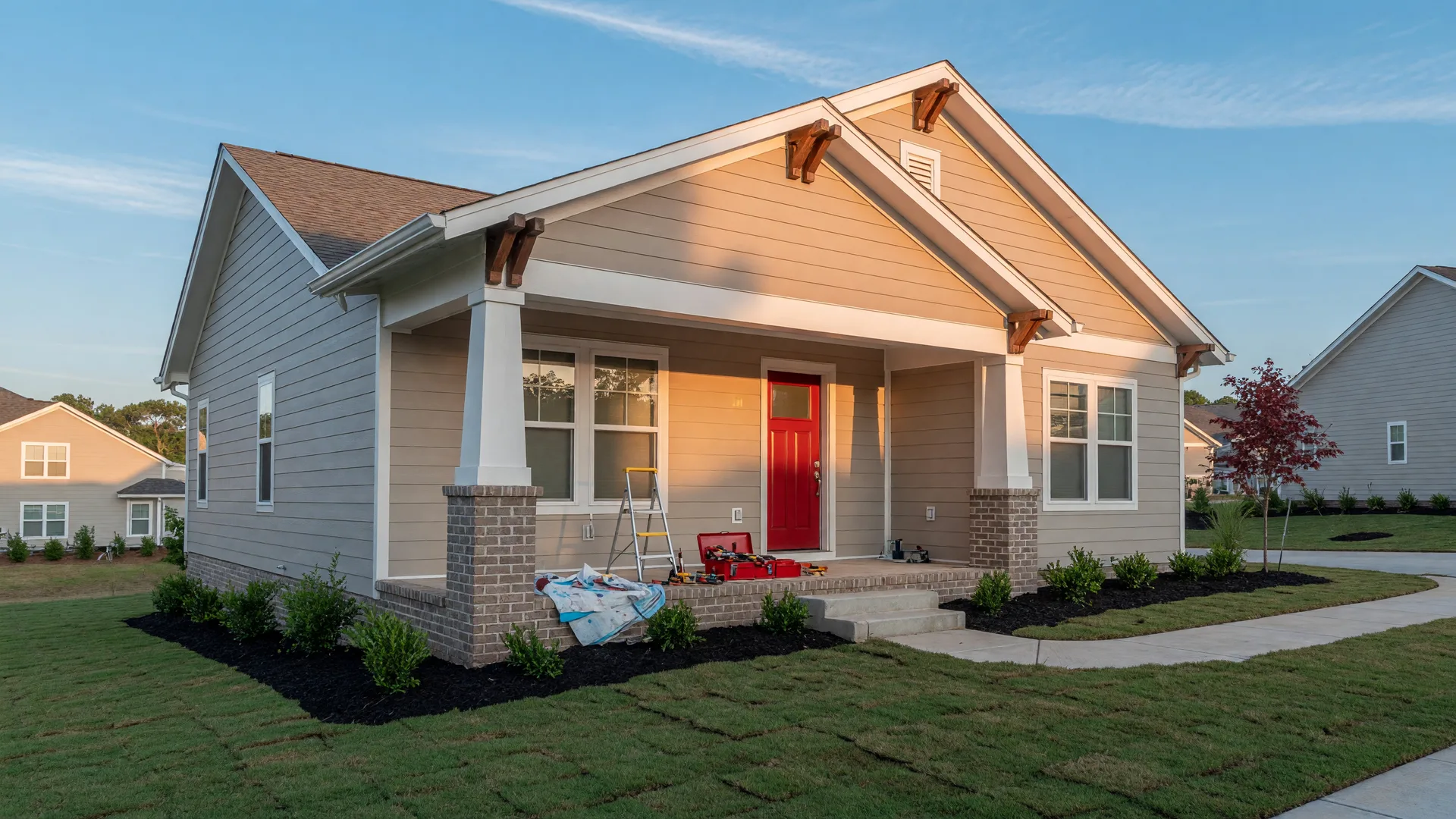
A brand-new home is the easiest home you will ever maintain, but it is not a no-maintenance home. In the first year, a new house goes through a settling period, the builder warranty runs on a clock, and a few tasks done monthly and seasonally decide whether small issues stay small. Here is the first-year maintenance checklist I share with every new construction buyer in Metro Atlanta, from the settling cracks you can expect to the walkthrough you should schedule before the warranty deadline.
The Settling Period Is Normal
Every new home settles in its first year as lumber dries and the structure finds its bearings under the Georgia sun and clay soil. Hairline cracks in drywall, nail pops, sticking doors, trim gaps, and an occasional floor squeak are all common and, in most cases, cosmetic. Builders' performance standards typically define what counts as a warrantable defect, usually a crack wider than about an eighth of an inch or a clearly visible nail pop, versus normal settling that does not require repair. The key is timing: some of those issues appear in the first months, and most builders want to address the warrantable ones while the one-year workmanship period is still active.
Know Exactly What the Builder Warranty Covers
Georgia law requires licensed residential builders to provide a written warranty on new homes, and most Metro Atlanta builders use the industry-standard structure: one year on workmanship and materials, two years on systems like electrical, plumbing, and HVAC, and ten years on major structural defects. The exact coverage lives in the warranty documents you receive at closing, so read them and keep the schedule in a file. Workmanship issues surfacing in month nine are covered; the same issue discovered in month 16 usually falls under the systems or structural window, and a missing warranty packet means you cannot check either.
The Month 11 Walkthrough Matters More Than the Closing Walkthrough
The single most valuable maintenance task in year one is the month 11 walkthrough, also called the pre-warranty inspection. Schedule it before the one-year workmanship deadline passes, since most builders need time to respond after you report. Walk every room with the builder's representative, or hire an independent inspector to do a second pass, and document everything: cracks, nail pops, sticking doors and windows, trim gaps, caulking failures at tubs and counters, and grading or drainage issues outside. Photographs with dates turn a conversation into a fix list. Buyers who skip this walkthrough routinely leave warrantable repairs on the table.
Monthly Tasks: Filters First, Then a Ten-Minute Walk
Change your HVAC filters monthly in the first year. Construction dust and drywall sanding residue can clog a new system's filter in weeks, which forces the unit to work harder in Atlanta's heat and shortens its life. While you are at it, take a ten-minute monthly walk through the house: glance at ceilings and high walls for new cracks, open and close doors and windows, listen for unusual sounds from the HVAC, and check under sinks for any moisture. Add a reminder to your calendar and it becomes habit; skip it and year one issues compound quietly.
Seasonal Tasks: Gutters, Drainage, Landscaping, and Sealant
Twice a year, usually before spring storms and again in late fall, clean the gutters and downspouts and confirm they drain well away from the foundation. Fresh grading settles in the first year, so watch for low spots next to the slab or foundation wall after heavy rain, and add soil where water pools. Keep mulch a few inches away from siding to discourage pests and moisture, and check exterior caulk and sealant around windows, doors, and the garage rough opening. Georgia clay expands and contracts with the seasons, which is why exterior movement joints open up; catching them early is a tube of caulk, catching them late is a bigger repair.
Know Your Shutoffs and Your Systems Before You Need Them
Spend one afternoon in the first month finding the important things: the main water shutoff, the shutoffs under sinks and behind toilets, the gas shutoff if you have gas, the water heater, the electrical panel and how to reset a breaker, and the HVAC drain line. Locating the water shutoff during a leak is the wrong time to learn where it is. Ask the builder for a systems orientation at your closing walkthrough and record it on your phone; most will walk you through every shutoff if you ask.
Start a Home File on Day One
From the day you take the keys, keep a home file with everything about the house: the warranty packet and its effective dates, appliance manuals and registration cards, paint colors and finishes from the design center, flooring and tile names and lot numbers, and every repair and service record. Photograph the paint stickers on the inside of closet doors and the filters and model numbers on the HVAC unit. Years from now, that file is what lets you touch up a scuffed wall with the exact color and order a part without disassembling anything. It is also the documentation trail that makes a future sale smoother.
The Bottom Line on Year One
Year one in a new construction home is a season of small tasks that protect a large investment. Settling cracks are normal but reportable, the warranty window is fixed, filters and gutters matter more than they seem, and the month 11 walkthrough is the highest-value hour on your calendar. If you are also buying into an HOA community, many new neighborhoods in Metro Atlanta have active associations, so pair this checklist with my guide to HOA covenants and restrictions to know the rulebook for your lawn, your fence, and your dues before you sign. Over more than 20 years and 500 homes sold, I have watched buyers who treat the first year as part of the purchase protect both their wallet and their peace of mind.
Frequently Asked Questions
What maintenance does a new construction home need in year one?
Settling is the theme of year one: watch for nail pops, drywall cracks, and doors or windows that shift as the house settles. Change HVAC filters monthly, test GFCI outlets, check caulking and weatherstripping seasonally, and walk the roof and gutters after big storms. Small early fixes prevent bigger issues later.
What is covered by a new home warranty?
Most Georgia builders provide a one-year workmanship and materials warranty, plus longer coverage on major systems like the HVAC (often two years) and structural components (often ten years). Read the warranty document carefully, because what is and is not covered differs by builder.
When should I schedule my pre-warranty inspection?
Schedule it toward the end of the first year, usually around month 10 or 11, so the builder can fix issues before the warranty expires. Walk the home with the builder's warranty team and also get an independent inspection, since a fresh set of eyes catches details you may have stopped noticing.
Why do I need a separate checklist for a new home?
New homes still have issues: the initial settling, imbalanced HVAC zones, and systems that were never really tested at full load. A maintenance routine catches those early while the warranty covers them. Treat year one as the only time you get repairs handled at no cost and make it count.
Buying New Construction in Metro Atlanta? Let's Plan Year One Together
From reviewing the warranty documents before you sign to timing your month 11 walkthrough, I help new construction buyers go in with the right checklist. I'm available when you are ready to talk neighborhoods, builders, and what to expect in your first year.
Tommy Williams · Bailey Heritage Homes · GA License 287291 · tomwillsellga.com