Data Centers and Metro Atlanta Real Estate: What Homeowners Need to Know

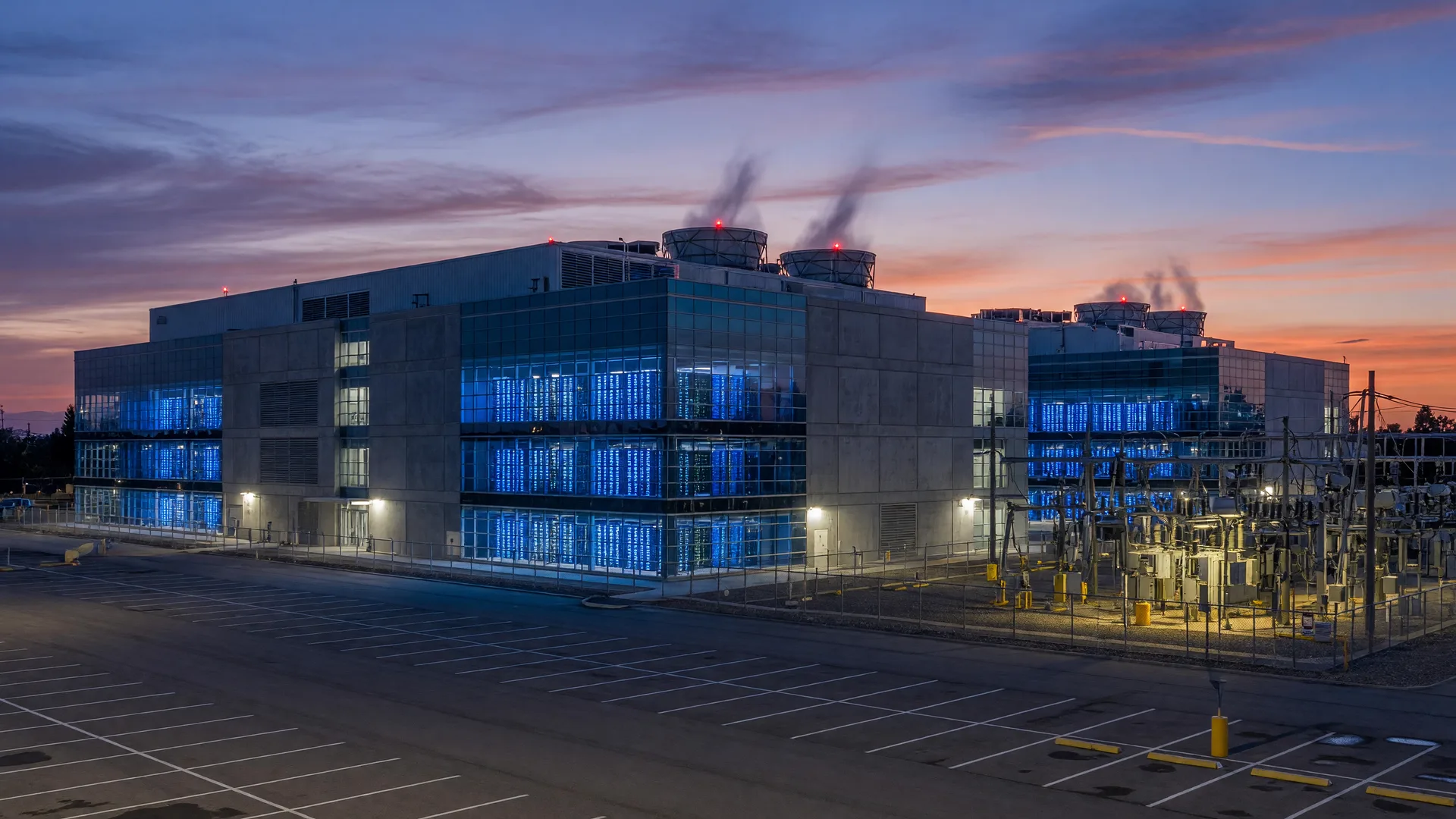
Metro Atlanta has become one of the top data center markets in the country. Major tech companies are investing billions in facilities across the region, and it's changing the real estate landscape in ways most homeowners don't expect. Here's what you need to know about how data centers are affecting home values across Metro Atlanta's major counties.
The Data Center Boom in Atlanta
Metro Atlanta is now one of the top 5 data center markets in the United States. Major players like Meta, Google, Microsoft, and QTS (now owned by Blackstone) have built or are building massive facilities across the region. The demand is driven by cloud computing, artificial intelligence, and the explosion of digital data that shows no signs of slowing down.
Georgia's business-friendly tax incentives and comparatively cheap power have attracted billions of dollars in investment. The result is a data center corridor that stretches across the metro area, from northern Fulton County through Douglas County and into the emerging markets on Atlanta's eastern and southern sides.
County-by-County Breakdown
Fulton County
The largest concentration of data centers in the region sits in the northern Fulton corridor, particularly around Alpharetta, Johns Creek, and Roswell. These areas have existing tech infrastructure and fiber networks that make them attractive to data center developers.
Impact on home values: Generally positive in surrounding areas due to job creation and infrastructure investment. High-paying tech jobs drive demand for housing, and upgraded utilities and roads benefit the broader community. However, some homeowners near facilities report concerns about noise from cooling systems and generator testing, as well as traffic during construction phases. Homes within about a mile of a large facility may see a slight value discount, while homes in the broader area typically benefit.
Forsyth County
Forsyth County is one of the fastest-growing counties in Georgia and the nation. Data center development is concentrated in the South Forsyth and Cumming corridor along GA-400, drawing on proximity to Alpharetta's established tech hub and existing fiber infrastructure. The county's top-rated schools, rapid population growth, and business-friendly environment make it a natural fit for expansion.
Impact on home values: Strong positive. Forsyth County is already one of the highest-appreciating areas in Metro Atlanta, and data center investment adds to the momentum. The combination of top-rated schools, population growth, and tech infrastructure makes it a magnet for both data centers and homebuyers. Job creation from the tech sector continues to drive housing demand across the county, and the GA-400 corridor remains one of the most desirable areas in the metro region.
Douglas County
Douglas County is home to QTS's massive data center campus in Douglasville, one of the largest data center campuses in the world. This facility alone represents a significant economic engine for the county and has put Douglasville on the map in the tech infrastructure world.
Impact on home values: Mixed, but trending positive. The job creation and infrastructure investment are real benefits for the area. Douglas County has seen increased interest from buyers who work in tech-adjacent fields. Proximity to large industrial facilities can be a concern for some buyers, but the overall effect on the county's housing market has been upward pressure on values as the area gains economic momentum.
Henry County
A growing data center presence along the I-75 corridor is bringing new construction and expansion to Henry County. Developers are drawn by available land, good highway access, and the county's pro-development stance.
Impact on home values: Positive for the area. Data centers attract jobs and investment to a developing market, and Henry County's housing market benefits from the increased economic activity. Buyers looking for more affordable options with growth potential are taking notice.
DeKalb County
Data center development along the I-285 corridor gives DeKalb County proximity to Atlanta's urban core and existing infrastructure. The county benefits from its central location and established transportation networks.
Impact on home values: Generally positive, especially in areas with strong school districts and reasonable commute times. The combination of infrastructure investment and job creation supports home values, and DeKalb's diverse housing stock gives buyers options at multiple price points.
Gwinnett County
Gwinnett County has a growing data center presence, particularly along the I-85 corridor near Buford, Suwanee, and Peachtree Corners. Major facilities include QTS's Suwanee campus with over 100 megawatts of planned critical capacity, Flexential's data center in Peachtree Corners with an expansion in the works, and Digital Service Consultants' facility in Buford. The county now has 15 tracked data center facilities with 95 megawatts of total capacity, making it one of the more established markets in the metro area.
The proximity to existing tech companies, strong population growth, and a business-friendly environment continue to attract developers. Gwinnett's strong infrastructure and skilled workforce give it a solid foundation for sustained data center investment.
Impact on home values: Positive, driven by job creation and infrastructure investment in a rapidly growing county. High-paying tech and facility jobs support housing demand across multiple price points. Areas near established and proposed facilities benefit from the broader economic momentum, and Gwinnett's strong school districts and amenities make it an attractive market for buyers who work in the tech sector.
Newton and Rockdale Counties
These are emerging data center markets on the eastern side of Metro Atlanta. Lower land costs and available sites are attracting development interest, and several projects are in various stages of planning and construction.
Impact on home values: Early-stage, but with potential for appreciation as infrastructure develops. These counties offer some of the most affordable housing in the metro area, and data center investment could accelerate value growth. Buyers with a longer time horizon may find opportunities here.
Clayton County
Growing interest from data center developers is putting Clayton County on the radar. The county's strategic location near Hartsfield-Jackson Atlanta International Airport makes it attractive for facilities that need connectivity and logistics access.
Impact on home values: Potential upside as the area develops. Clayton County is one of the more affordable parts of the metro area, and new investment could drive appreciation over time. The airport proximity is a unique advantage that few other data center markets can match.
Cobb County
Data center development in Cobb County is concentrated along the I-75 and I-285 corridors, with the most significant activity near Marietta and Kennesaw. The Bells Ferry Road area in Marietta recently received approval for a 108-megawatt hyperscale AI data center campus on 31 acres, reflecting the scale of interest in this market. Additional proposals along Delk Road have been discussed, though those plans have not yet moved forward. In early 2026, Cobb County enacted a temporary moratorium on new data center permits in unincorporated areas to study the long-term impact of the surge in development proposals.
Cobb County's strategic position between Atlanta's northern suburbs and the existing business infrastructure around the Cumberland/Galleria corridor makes it attractive for data center developers. Major employers in the area, including the burgeoning tech sector, support the demand for digital infrastructure.
Impact on home values: Generally positive, especially in areas near the Cumberland/Galleria corridor and Kennesaw. Job creation and infrastructure investment support the housing market, though the county's temporary moratorium signals that policymakers are taking a measured approach to balance growth with community concerns. Buyers in areas near proposed facilities should pay attention to the specific location and scale of approved projects.
How Data Centers Affect Home Values
Positive Impacts
- Job creation. Data centers bring high-paying tech jobs to the area, from facility managers and engineers to security and maintenance positions. These workers need housing, which drives demand.
- Infrastructure investment. Improved roads, upgraded utilities, and expanded fiber networks benefit surrounding communities long after construction is complete.
- Tax revenue. Data centers contribute significantly to local tax bases, which can fund schools, public services, and community improvements without raising residential taxes.
- Property appreciation. Areas near data centers often see increased demand from workers, investors, and buyers who recognize the area's economic stability. Homes in data center corridors are generally appreciating faster than the metro average.
Potential Concerns
- Noise. Cooling systems and backup generators can produce a constant hum that some nearby residents find noticeable, especially at night.
- Traffic. Construction traffic during the build phase and operational truck traffic can affect local roads. Most data centers generate relatively little daily traffic once built, but the construction period can last 18 to 36 months.
- Aesthetics. Large industrial buildings aren't visually appealing to everyone. Some facilities are designed to blend in, but many are unmistakably industrial.
- Property values very close to facilities. Some studies show homes within about a mile of large data centers may see slight value discounts, while homes in the broader area benefit from the economic activity.
What Homeowners Should Know
If you live near a proposed or existing data center, research the specific facility and its impact on your area. Every data center is different. A small facility in an industrial park has a very different effect than a massive campus in a residential area.
Data centers generally boost home values in the broader area but may have mixed effects on homes immediately adjacent. The job creation and infrastructure investment typically outweigh the concerns for most buyers, especially when the facility is well-designed and properly sited.
If you are buying near a data center, factor in potential noise and traffic during construction phases. Once operational, most data centers are relatively low-impact neighbors. They run 24/7 but generate far less traffic than a retail center or office park of similar size.
The Atlanta-Specific Angle
Metro Atlanta's data center growth is outpacing most other U.S. markets. The region's population growth, business-friendly environment, and connectivity make it a natural fit for this industry. Home values in data center corridors are generally appreciating faster than the metro average, and this is a long-term trend, not a short-term bubble.
Georgia's data center investment is tied to the same fundamentals that drive overall real estate demand in Atlanta: population growth, economic diversification, and a business climate that attracts corporate investment. As long as those fundamentals hold, the data center trend supports Atlanta's housing market.
Live near a proposed site and wondering what it means for your specific address? I wrote a hyper-local homeowner's guide that keeps the focus on your street and your home value: What a Data Center Could Mean for Your Home Value.
Frequently Asked Questions
Do data centers lower nearby home values?
There is no single answer, and the research is mixed. Some studies find data centers bring jobs and tax revenue that support nearby values, while neighbors worry about noise, traffic, and construction. What matters most is what buyers in your specific area actually experience and how the market prices proximity.
What questions should I ask before a data center is built near me?
Ask about the noise study, construction timeline, generator placement and fuel storage, traffic impact, water and power demands, and whether the developer has a community benefit agreement. Written answers from the developer and the local government are worth far more than promises made informally.
Will a data center change how my home is appraised?
Appraisers value homes by comparing recent closed sales, so a nearby data center matters only if it is reflected in what buyers actually pay. If comparable sales in your neighborhood are unchanged, the appraisal impact is usually limited. If buyers start discounting homes near the facility, that shows up over time in sales.
Can I sell my home before a proposed data center is approved?
Yes, and it is often the window with the least uncertainty. Buyers can still weigh the plan, but a proposal that is not yet approved carries less concrete risk than an active construction site. An honest agent will help you price and disclose based on what is actually proposed, not on rumor.
Thinking About Buying or Selling Near a Data Center Corridor?
Every market is local, and every property is different. I can help you understand what the data center trend means for your specific home or the home you are looking to buy. Let's talk about what's happening in your area.
Schedule a ConsultationStraight answers to the questions neighbors ask.
A Douglasville neighbor raised sharp questions when this post was shared on Nextdoor, and those questions deserve straight answers. So let me be clear up front: this article was never anti data center. It is about what a new campus can mean for home values, and about what questions neighbors should ask the county before incentives are signed. Here is the give and take.
Fair points, conceded plainly
Once it is built, is a data center actually a quiet neighbor?
Yes, and that is worth conceding plainly. Construction is the noisy phase: heavy trucks, equipment, and added traffic on local roads for the months it takes to build. Once a facility is operating, it runs around the clock but is quiet from the street. The legitimate concerns about noise and traffic are real, and they are concentrated in the build phase rather than the life of the facility.
Does a data center even employ many people?
Fair again. Day-to-day staffing at a single facility is minimal, often under 20 people, so ongoing traffic is low. It is not a site full of workers coming and going on shift. That part of the argument is accurate, and it is one reason the permanent footprint can be lighter than people expect. The heavy lift, and the heavy traffic, happen during construction.
Didn't Douglasville already handle data centers on Riverside Parkway?
That is fair history. Douglasville built data centers along Riverside Parkway in the early 2000s, and the community adapted. I will not argue with that record, and it is worth saying plainly. The honest difference is scale: today's proposed hyperscale campuses are far larger than those earlier facilities, and scale changes what a project asks of the power grid, the water system, and local roads. The Riverside Parkway experience is a fair comparison. It just is not a same-size one.
Corrections, made respectfully
Don't data centers generate their own power?
No, and this is the fact worth getting exactly right. Data centers do not run on their own grid. They carry backup generators for outages, but day to day they draw power from the same grid homes and businesses use. That shared draw is why this deserves a conversation. Georgia's Public Service Commission recently approved nearly 10,000 megawatts of additional power, with roughly 80 percent expected to serve large customers, including data centers. That is real pressure on the grid, and it is fair for neighbors to ask how it will be managed before a deal is signed, not after.
Doesn't closed-loop cooling mean data centers barely use water?
Partly, and this one deserves precision. Closed-loop systems do recycle water, but the cooling towers still evaporate it continuously, so recycling does not mean zero consumption. A medium-sized data center can use on the order of 300,000 gallons a day, about what 1,000 households use. And the reader's point that some local governments may not charge data centers enough for water, with Fayetteville cited as the example, is fair. Water rates and water supply are exactly what neighbors should watch before a deal is signed.
My goal is helping neighbors ask good questions, not campaigning for or against any project.
If a data center is proposed near your street, or you simply want to talk through what it could mean for your home value, reach out. Use the contact page on this site, call or text me at 770-637-9774, or book a time on my calendar. I'm available. I'm ready when you are.